Once in a Lifetime
Play Once in a Lifetime
Once in a Lifetime Screenshots









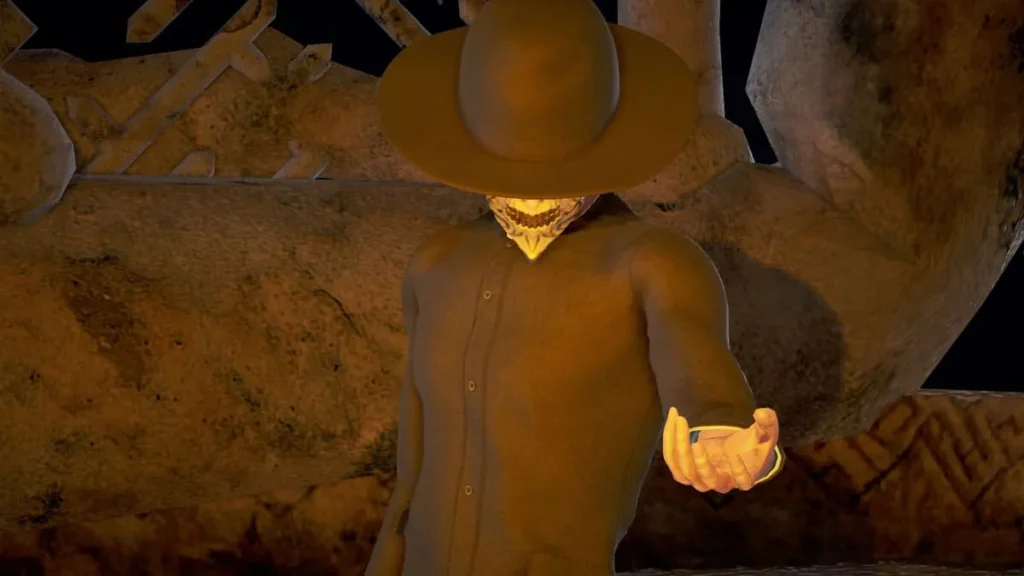
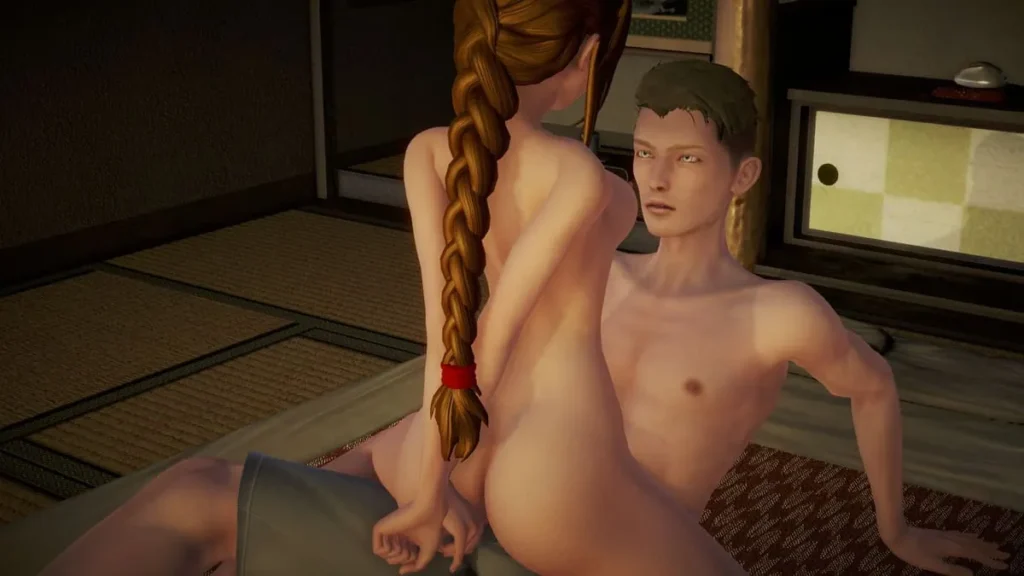

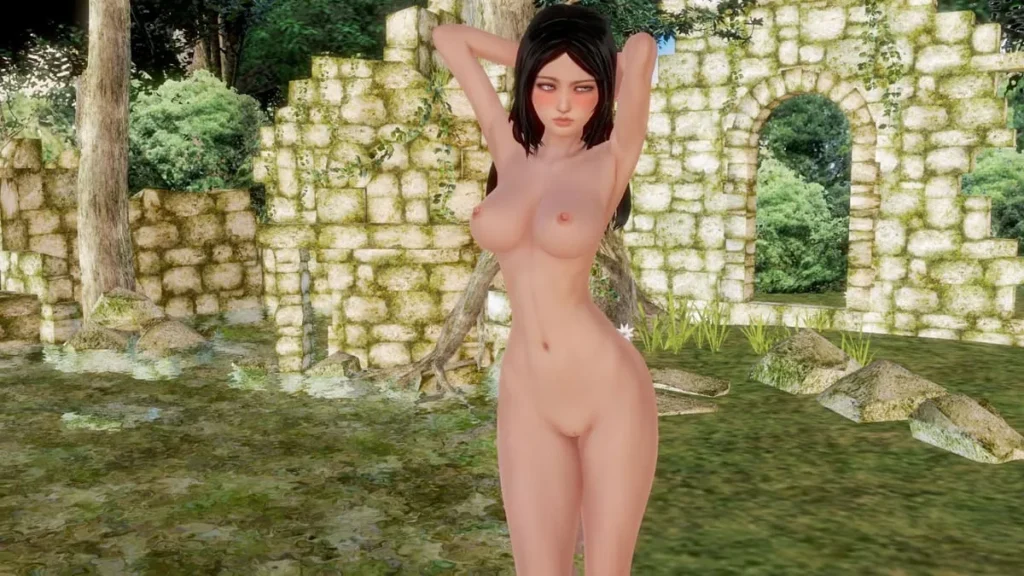
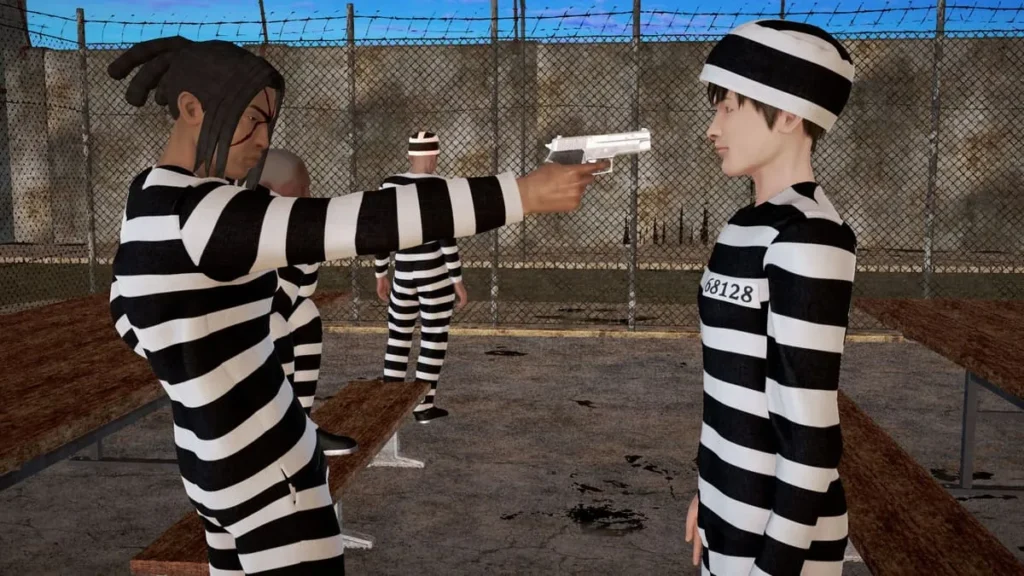
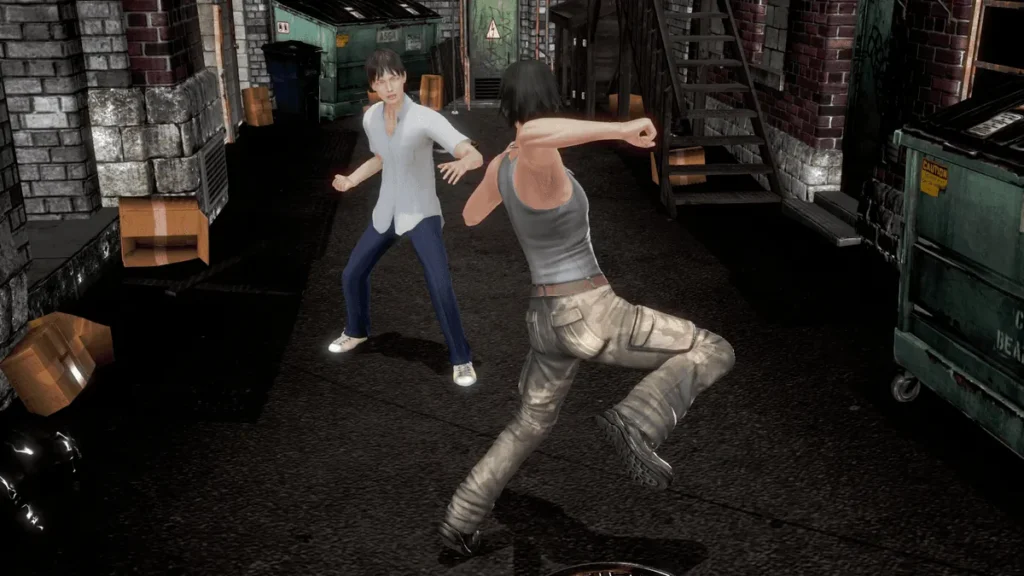
Once in a Lifetime review
Explore the mystery, choices, and supernatural secrets of this interactive visual novel
Once in a Lifetime stands out as a uniquely crafted interactive visual novel that blends mystery, humor, and supernatural elements into an unforgettable experience. Set in the seemingly ordinary town of Mistbury, this game invites players to uncover dark secrets while navigating high school drama, family expectations, and otherworldly threats. With branching narratives, meaningful choices, and a cast of compelling characters, Once in a Lifetime delivers engaging gameplay that rewards multiple playthroughs. Whether you’re drawn to conspiracy thrillers, character-driven stories, or interactive adventures, this game offers a rich, layered narrative that keeps you guessing from start to finish.
Story & Setting: What Makes Once in a Lifetime Unique
You’re back in your sleepy hometown, expecting faded memories and maybe a stale pastry from the local bakery. But in Once in a Lifetime, your homecoming is the first step into a shadow-drenched puzzle box where every friendly face might hide a secret, and every quiet street could lead to a supernatural truth. This isn’t your average story about reconnecting with old pals; it’s a masterclass in genre-blending where laugh-out-loud humor sits side-by-side with genuine unease, and your choices don’t just change a scene—they reshape reality.
At its heart, the Once in a Lifetime story plot deconstructs the “returning hero” trope, transforming it into a personal and high-stakes conspiracy. This interactive visual novel narrative asks a deceptively simple question: What if the town you grew up in was a carefully constructed lie? What follows is a thrilling exploration of Mistbury town secrets, character-driven drama, and the profound consequences of every decision you make. Let’s pull back the curtain on the story and setting that make this game an unforgettable experience.
The Mystery of Mistbury: Your Journey Begins 🌲🔍
Mistbury isn’t just a backdrop; it’s a character in its own right—one with a split personality. On the surface, it’s the picture of quaint, small-town Americana: a bustling diner, a suspiciously well-stocked library, and neighbors who all seem to know your business. The writing brilliantly lulls you into this sense of familiar, almost cozy, drama. You’ll navigate awkward family dinners, run into old classmates with new attitudes, and deal with the mundane headaches of being back under your parents’ roof.
But scratch that picturesque surface, and the rot begins to show. 😳 The Once in a Lifetime gameplay mystery is built on a foundation of subtle dread. Why do certain townsfolk give you sidelong glances that last a beat too long? What’s with the strange symbols occasionally glimpsed in the woods or the odd, seemingly coordinated behavior of some residents? The game masterfully builds a pervasive sense that something is off, weaving the supernatural thriller visual novel elements into the fabric of daily life so seamlessly that you start questioning everything alongside the protagonist.
Your journey begins with this deliberate contrast. One moment you’re debating what to say to a quirky barista to make a good impression, and the next, you’re piecing together clues that suggest a hidden, powerful organization is pulling strings from the shadows. This blend is the game’s secret weapon. The humor (which is genuinely funny and often raunchy) doesn’t undermine the tension; it amplifies it. The normalcy makes the encroaching weirdness feel all the more invasive and real. You’re not exploring a ghost town; you’re uncovering the darkness lurking in a place that’s supposed to be safe. Unraveling these Mistbury town secrets becomes a deeply personal mission, as the truth is inextricably linked to your own past and identity.
Plot Depth: Beyond Surface-Level Narratives 🧩✨
Many visual novels use their premise as a simple hook for romance routes or light-hearted fun. Once in a Lifetime uses its premise as a diving board into an ocean of narrative complexity. The Once in a Lifetime story plot evolves from “small-town drama” to “cosmic conspiracy” with expert pacing, ensuring each revelation feels earned and impactful. You’ll explore themes of free will versus destiny, the weight of family legacy, and what it truly means to choose your own path when powerful forces are trying to choose it for you.
What truly elevates the plot is its commitment to branching story choices consequences. This isn’t an illusion of choice. Early, seemingly trivial decisions—like how you treat a minor character or where you choose to investigate—can lock or unlock entire story arcs, character alliances, and even different endings that provide completely distinct explanations for the central mystery. The narrative branches are not just about who you date; they’re about what truths you uncover, who you save, and what version of yourself you become by the end.
The game brilliantly plays with genre expectations. Just when you think you’ve pinned it down as a comedy, it delivers a moment of genuine horror or poignant emotional depth. When you settle into a detective groove, it introduces fantasy elements that expand the scope of the mystery exponentially. This refusal to be pigeonholed is a huge part of its appeal and replay value. You’re constantly kept on your toes, engaged in a story that feels much larger than the screen containing it.
To illustrate just how different this approach is, let’s break it down:
| Aspect | Typical Visual Novel | Once in a Lifetime |
|---|---|---|
| Plot Depth | Often a linear or simple premise serving primarily as a setup for character routes and romance. | A layered, evolving conspiracy thriller that integrates mystery, fantasy, and humor into a cohesive, driving narrative. The plot itself is the main event. |
| Humor Integration | Often separate comic relief scenes or a uniformly light-hearted tone. | Humor is woven into the core narrative and character interactions, often contrasting with dark themes to heighten both the laughs and the tension. |
| Character Development | Development is usually reserved for romanceable characters and is often tied directly to the protagonist’s pursuit of them. | All central characters, romantic or not, have complex arcs, hidden motivations, and agency independent of the player. Development is tied to the central mystery. |
| Choice Consequences | Choices often affect affection points leading to different character endings, but the main plot remains largely unchanged. | Choices can alter core plot events, reveal entirely different story truths, change character fates, and unlock or seal off massive sections of the game world and narrative. |
Character Development & Relationship Building 💖📊
The soul of Once in a Lifetime lies in its cast. You’ll meet over ten key characters, each with their own secrets, quirks, and surprising connections to the central mystery. This is where the game’s “visual novel” heart beats strongest, but it pumps something far richer than just blood. These relationships are the lens through which you experience the plot, and they are managed through a brilliant, transparent system: the character relationships trust meter.
This isn’t a simple “like/dislike” bar. The trust meter visually represents the depth and quality of your bond with each character. Your dialogue choices and actions directly raise or lower this meter. But here’s the crucial part: it’s not about manipulation. Gaining trust requires engaging with characters authentically—listening to their problems, supporting their goals, and sometimes, making difficult choices that align with their values over your immediate benefit.
Personal Insight: In one playthrough, I decided to be a sarcastic jerk to the stern town librarian early on. It seemed harmless, just a bit of rebellious fun. My trust meter with her plummeted. Later, when I desperately needed a rare, restricted book to decipher a crucial clue about the town’s history, she refused me access point-blank. That single, early interaction had consequences, forcing me to seek out a far more dangerous and convoluted method to get the information. It was a stunning lesson in how the game’s branching story choices consequences are deeply tied to human relationships.
The character relationships trust meter does more than unlock romantic scenes (though it does that, and they are wonderfully written). High trust can lead to characters:
* Sharing vital secrets about the plot they’d otherwise keep hidden.
* Coming to your aid in critical moments, changing the outcome of a confrontation.
* Providing you with special items or access to locked locations.
* Offering unique perspectives and dialogue that flesh out the Mistbury town secrets in ways you’d never see otherwise.
Conversely, low trust can make characters into obstacles, liars, or even enemies. A character you alienate might actively work against you, feed you false information, or be unwilling to help in a crisis, leading to dire consequences. This system ensures that every conversation has weight. You’re not just picking flirty or nice options; you’re strategically (and emotionally) investing in a network of allies in a very dangerous game.
This focus on genuine character relationships transforms the interactive visual novel narrative. You care about these people—their fears, their humor, their hidden pains. When the supernatural thriller elements escalate, the stakes are personal. You’re not just fighting to save the town; you’re fighting to save your friends, your family, and the connections you’ve painstakingly built. This profound integration of relationship-building and core gameplay is what makes unraveling the Once in a Lifetime gameplay mystery so uniquely satisfying and emotionally resonant. It’s a reminder that in the best stories, whether fighting demons or conspiracies, our humanity—forged through our bonds with others—is our greatest strength.
Once in a Lifetime delivers a compelling experience that transcends typical visual novel conventions through its masterful blend of mystery, humor, and supernatural elements. The game’s strength lies in its meaningful choice system, where every decision ripples through the narrative, creating genuine consequences that encourage multiple playthroughs. With its richly developed characters, layered storytelling, and balance between personal drama and world-threatening stakes, Once in a Lifetime offers something for everyone—whether you’re seeking engaging narratives, entertaining gameplay, or immersive interactive adventures. The town of Mistbury and its dark secrets provide the perfect backdrop for a story that refuses to be predictable, making it a standout title in its genre. If you’re looking for a visual novel that respects your intelligence and rewards your choices, Once in a Lifetime is an unforgettable journey worth experiencing.