Zero End
Play Zero End
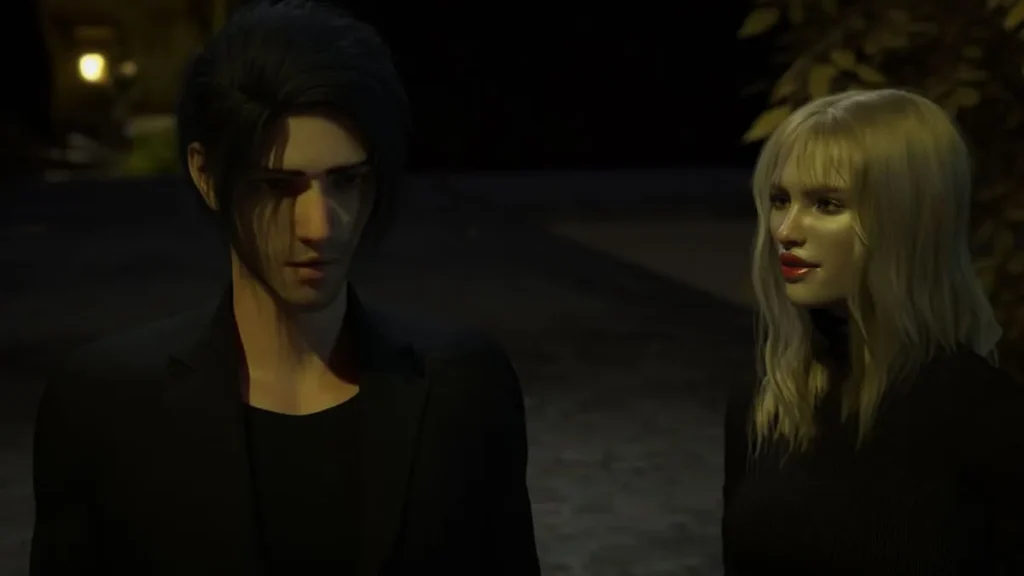
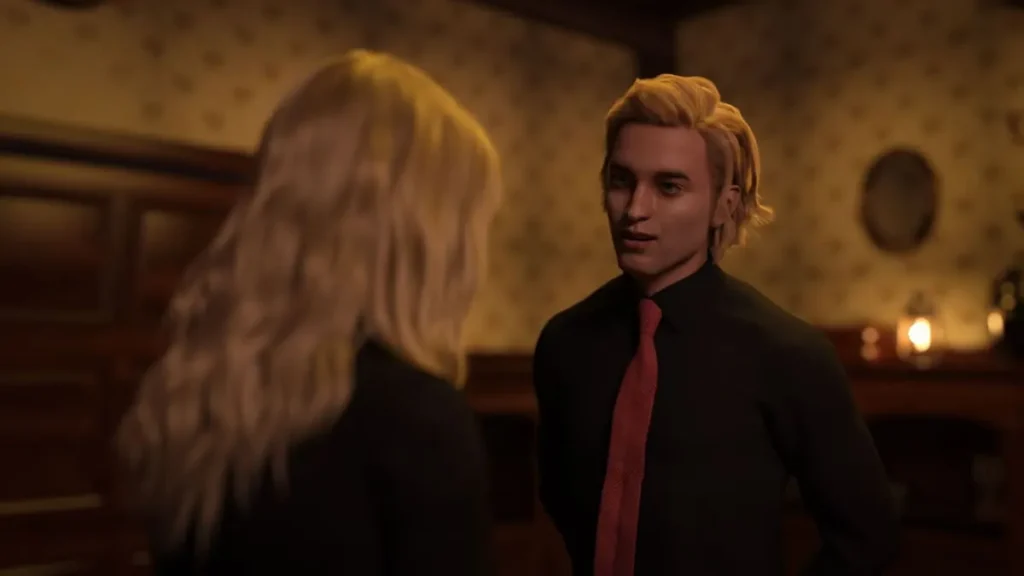
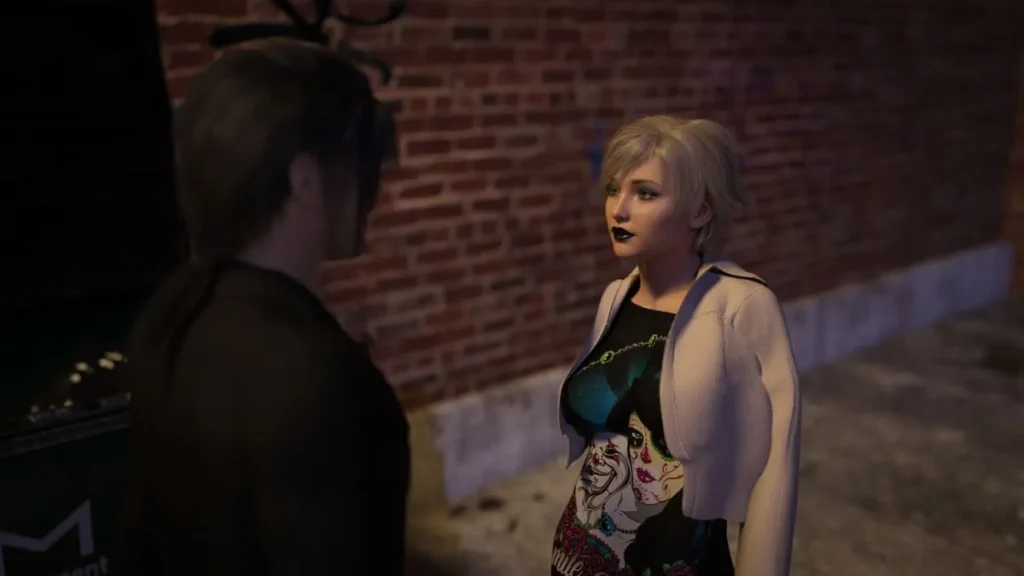
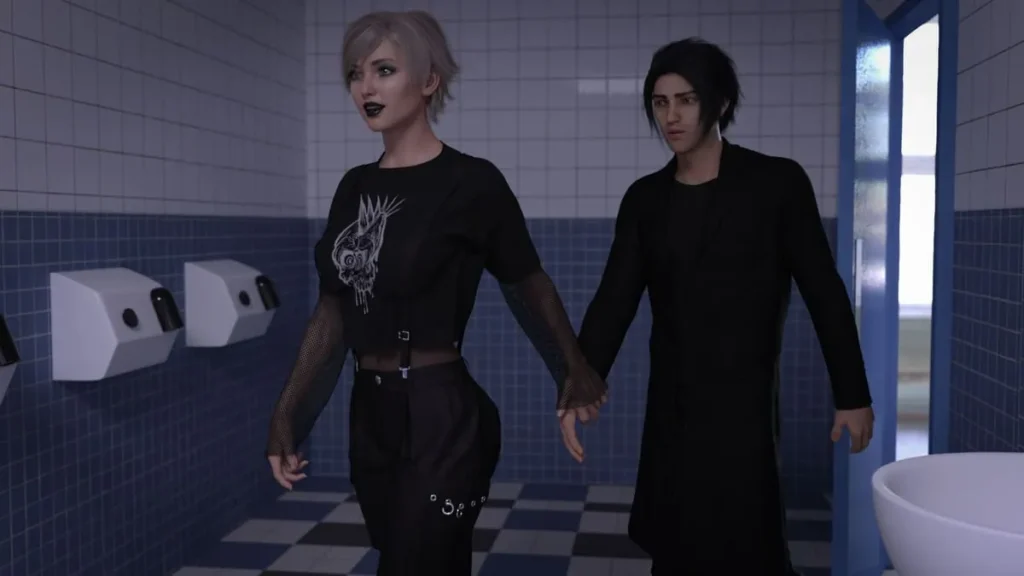
Zero End Screenshots
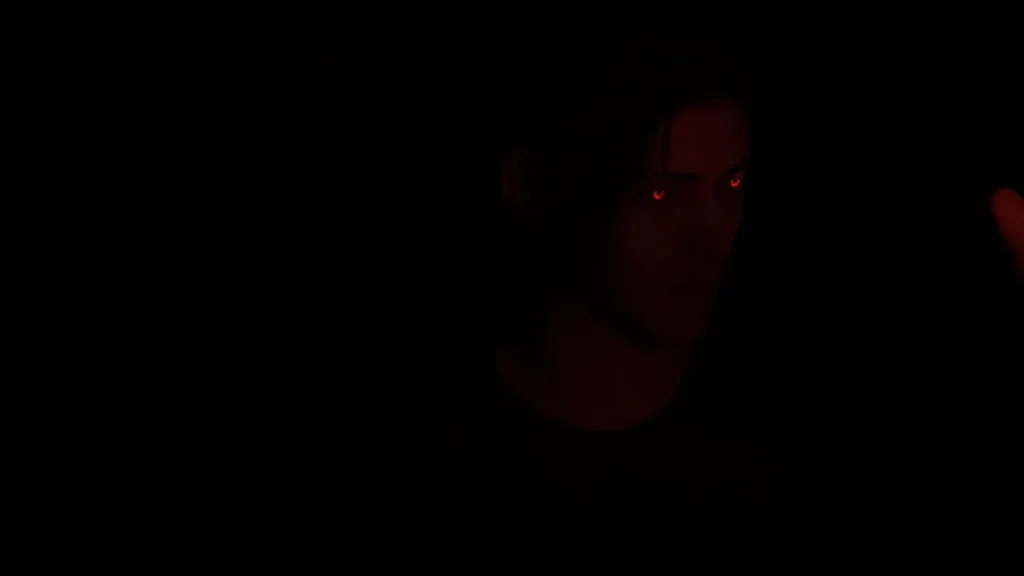
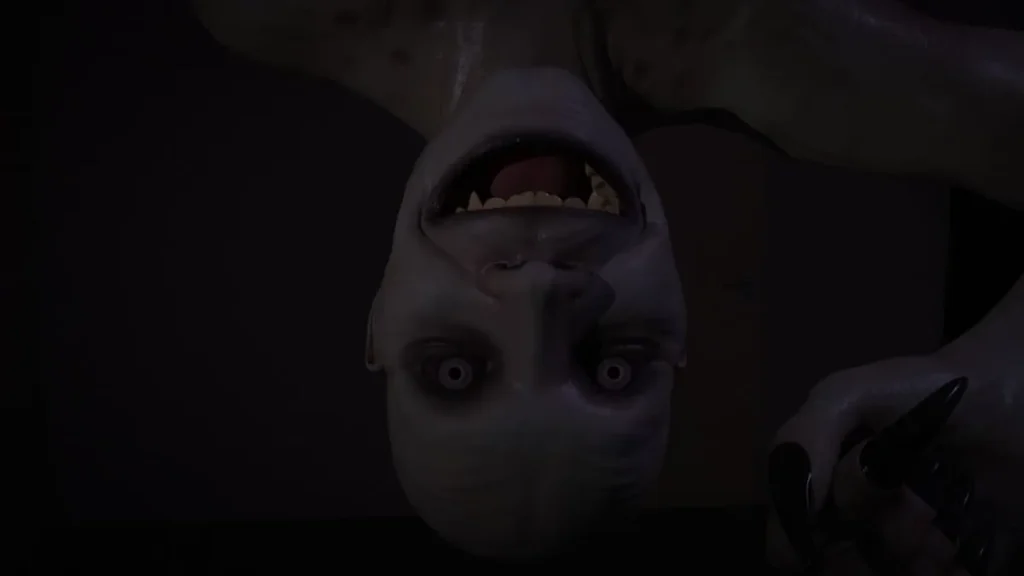
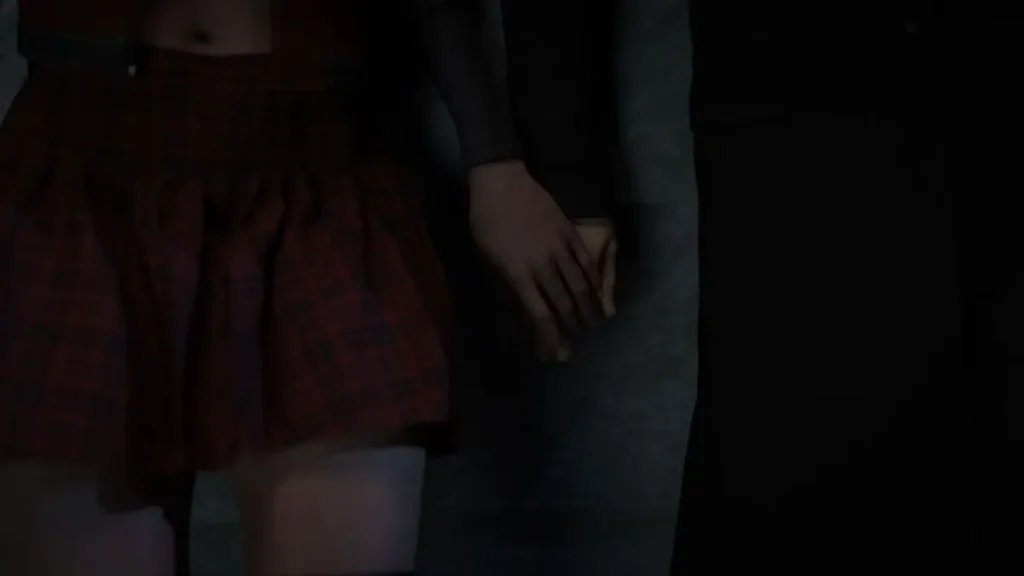
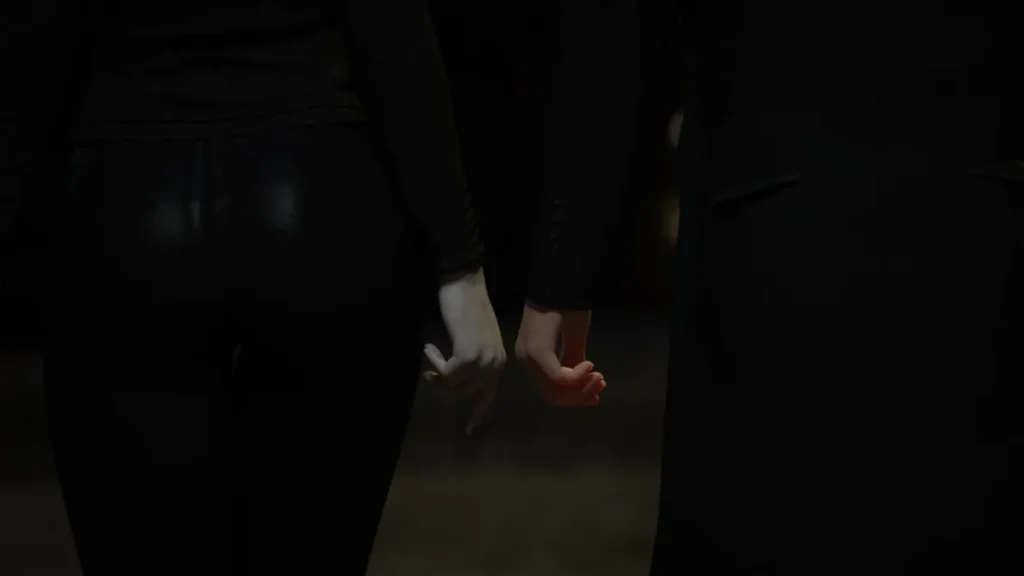







Zero End review
Explore the magical world, gameplay mechanics, and story choices in this adult visual novel
Zero End is an erotic visual novel that combines supernatural elements with player choice mechanics. Developed by StolenRose and released in 2023 for PC, the game follows Caleb Watson, a powerful mage navigating the dangerous consequences of his magical pursuits. This guide explores everything you need to know about Zero End, from its core gameplay features to system requirements, helping you understand what makes this title unique in the visual novel genre.
Zero End Game Overview: Story, Setting & Characters
Let’s be honest, we’ve all been there. You start a new game, you’re presented with a big, world-altering choice, and you instantly freeze. 😰 Do you take the morally righteous path, or give in to that deliciously tempting power grab? Most games make you live with a vague sense of guilt, but few make you feel the weight of those decisions quite like Zero End does. I remember my first playthrough—I thought I was being clever, a bit ruthless but for the “greater good.” The game’s ending promptly handed me my hubris on a silver platter. It was a masterclass in narrative consequence, and it’s what makes this magical narrative game so utterly compelling.
At its heart, the Zero End visual novel story is a gripping exploration of power and its price. It throws you into the ornate robes of Caleb Watson, a mage of immense potential, and asks one deceptively simple question: what are you willing to sacrifice for the magic you command? This isn’t your typical power fantasy. It’s a deep, often dark, and always engaging adult visual novel plot built on the foundation of your branching story choices. Every decision, from a casual remark to a monumental spell, ripples outward, directly shaping Caleb’s relationships, his morality, and ultimately, which of the visual novel multiple endings you’ll unlock.
The Protagonist and World of Caleb Watson
Meet Caleb Watson, the brilliant but conflicted mage you’ll be guiding through this turbulent journey. 🧙♂️ He’s not a blank slate; he arrives with a defined personality—sharp, ambitious, and fiercely loyal to his close-knit circle of friends. His defining trait is his staggering innate talent for magic, a force so potent it feels less like a tool and more like a living, breathing part of him. This is central to understanding the Zero End visual novel story. Caleb isn’t just learning spells; he’s learning to coexist with a power that others fear and covet.
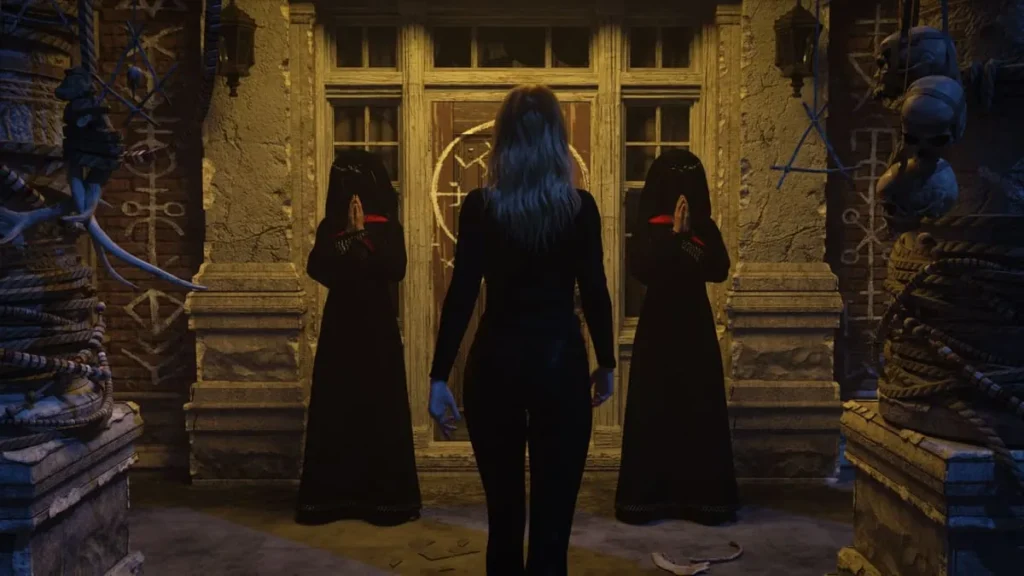
The world of Zero End is a beautifully rendered, modern-gothic landscape where ancient magical traditions collide with contemporary society. Magic is real, studied, and regulated, but it’s also wild, dangerous, and deeply personal. Caleb exists in this tension. He’s a student at a prestigious academy, yet his abilities quickly propel him beyond textbook lessons into a conflict that threatens the very fabric of magical order.
The central plot catalyst is the discovery and activation of a protective spell of ancient magic. This isn’t just a macguffin; it’s a paradigm-shifting event. This ancient spell, meant to safeguard, instead acts as a beacon and a destabilizing force. It frames the entire narrative, forcing Caleb to confront the dangerous sides of magic he’s only theorized about. Is this ancient power a blessing to be harnessed or a curse that will consume him and everyone he cares about? As the Caleb Watson protagonist, you are in the driver’s seat for that answer. Your choices determine whether he views his power as a responsibility, a weapon, or a burden to be shed.
Pro Tip from a Seasoned Player: Don’t try to metagame Caleb on your first run. I did, and it felt hollow. Instead, role-play. What would your Caleb do when backed into a corner? The most rewarding endings come from authentic, sometimes flawed, character consistency.
Here are the key story elements and themes that define the Zero End experience:
* The Burden of Power: Magic in Zero End is never free. Every major spell has a cost, be it physical, emotional, or moral.
* Accountability: Caleb’s actions have direct, often severe, consequences for his friends and the world around him. You can’t hide behind “I didn’t know.”
* Found Family vs. Ambition: Your branching story choices often pit Caleb’s loyalty to his friends against his thirst for magical mastery or societal change.
* Moral Grayscale: There are rarely purely “good” or “evil” options. Solutions are messy, and every path requires compromise.
* The Allure of the Forbidden: The game expertly tempts you with shortcuts and hidden knowledge, making the “right” choice often feel like the harder one.
| Story Element | Role in the Narrative | Impact on Gameplay |
|---|---|---|
| The Ancient Protective Spell | The inciting incident; unlocks hidden magical realms and threats. | Opens new story branches and dialogue options related to lore and power. |
| Caleb’s Innate Power | Defines his character and is the source of central conflict. | Influences persuasion checks, unlocks unique choices, and affects character reactions. |
| The Magical Academy & Society | Provides setting, rules, and a web of allies/rivals. | Determines available resources, information sources, and potential factions to align with. |
Magical Elements and Narrative Themes
Forget sparkly wands and cheerful incantations. The magic in Zero End is visceral, intricate, and fraught with peril. ✨⚡ This magical narrative game builds its system on a foundation of cause and effect. Spells are depicted with stunning visual artistry, but the narrative never lets you forget their source and cost. Magic is drawn from emotion, from memory, sometimes from life force itself. This creates a direct, intimate link between Caleb’s psychological state and his magical capabilities, making every emotional choice a potential strategic one.
The core themes are woven seamlessly into this system. The theme of power is obvious, but Zero End dissects it with precision. It explores the intoxication of unchecked ability, the isolation it can bring, and the corruption that whispers to those who hold too much. This ties directly into the theme of responsibility. Is Caleb responsible for just his own actions, or for how his power influences others? Does he have a duty to use his gifts for the collective good, even if it means personal sacrifice?
Then there are the moral consequences. This is where the game truly shines as an adult visual novel plot. The mature content here isn’t just aesthetic; it’s narrative. It deals with complex issues of consent (magical and otherwise), obsession, betrayal, and the psychological toll of wielding reality-altering power. A choice to use a coercive charm for a “noble” reason might solve an immediate problem, but it will corrode a relationship and haunt Caleb later. The game records these ethical compromises in subtle ways—through changed character expressions, altered dialogue trees, and ultimately, in the finale you earn.
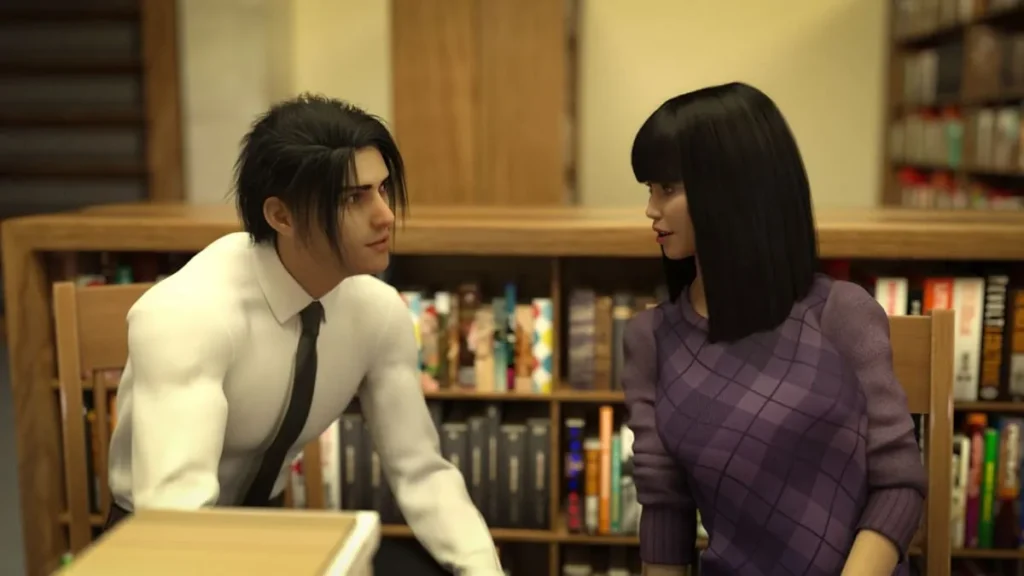
The narrative is driven forward by this constant internal and external pressure. One moment, you’re unraveling the mystery of the ancient spell in a library; the next, you’re making a split-second decision that will determine a companion’s fate. The visual novel format is perfect for this, allowing for deep introspection, tense dialogue exchanges, and beautifully crafted stills that capture the haunting beauty and horror of this magical world.
Character Relationships and Story Branches
The soul of Zero End isn’t just its magic system; it’s the people Caleb’s power touches. The cast of Zero End game characters is diverse, well-written, and essential to every path. These aren’t just quest-givers or love interests; they are belief systems made flesh, each representing a different philosophy on magic and life. Your relationship with them is the primary vehicle for the branching story choices.
Will you align with the cautious scholar who preaches restraint, or the revolutionary who believes magic should be liberated for all? Will you confide in the friend who fears your growing power, or the enigmatic stranger who encourages you to embrace it fully? Every interaction—from a shared meal to a life-or-death battle—builds (or erodes) affinity. These relationship meters are hidden, but their effects are profoundly visible. A character you’ve bonded with might risk everything to save you in a crisis. One you’ve neglected or offended might withhold crucial information or, worse, actively oppose you.
This is how the visual novel multiple endings are engineered. The story doesn’t branch like a simple fork in the road; it splinters like a pane of cracked glass. 🪟 A major plot point around the mid-game acts as a “lock,” where the combined weight of your previous choices—who you trusted, what secrets you pursued, which ethical lines you crossed—funnels you onto one of several major narrative tracks. From there, further choices refine your path to its unique conclusion.
For example, pursuing absolute power might lead to a finale where Caleb reigns supreme but utterly alone. A path focused on protecting friends at all costs could end with him sacrificing his magic to ensure their safety. There are endings of redemption, of tragedy, of ambiguous transcendence, and even a few surprisingly hopeful ones. I’ve replayed four times, and each ending felt like a valid, earned conclusion to a different version of Caleb’s story.
| Character Archetype | Their View on Magic | Influence on Story Branches |
|---|---|---|
| The Cautious Ally | Magic is a dangerous tool that requires strict governance and ethical limits. | Leads to endings focused on stability, reform, and personal restraint. |
| The Radical Catalyst | Magic is a born right being hoarded by elites; the system must be torn down. | Opens branches involving rebellion, upheaval, and high-risk/high-reward power plays. |
| The Personal Anchor | Prioritizes the well-being of the group over magical politics or power gains. | Strengthens “found family” narratives and can lead to endings of personal sacrifice for love or friendship. |
| The Enigmatic Guide | Magic is a wild, ancient force to be communed with, not controlled. | Unlocks hidden lore, forbidden knowledge paths, and endings of transformation or merging with magical forces. |
The true genius is that no single playthrough reveals the full picture of the Zero End visual novel story. Each path explores different facets of the world’s lore and the Zero End game characters. A villain on one route might become a tragic hero on another, depending on your choices. This immense variability is what makes the Caleb Watson protagonist role so replayable. You’re not just choosing dialogue options; you’re architecting a personality and witnessing the world reshape itself in response.
FAQ: Common Questions About Zero End’s Narrative Structure
Q: How long does it take to see the story branch significantly?
A: The first major branching point, which sets you on a path toward a specific type of ending, typically occurs after several hours of play, often following a key story event about a third of the way in. However, choices from the very beginning influence which branches are available to you at that point.
Q: Is there a “true” or canon ending?
A: The developers have been savvy not to designate one. The beauty of Zero End is that the ending you get feels like the direct result of your Caleb’s journey. Some endings are more difficult to achieve than others, but all are narrative conclusions in their own right.
Q: How do I ensure I get a specific character’s storyline or ending?
A: Consistency is key. Pay close attention to what that character values and make choices that align with their worldview. The game is less about “picking the right flirty line” and more about demonstrating through major plot decisions that you share their core beliefs. Using save files before major chapters is highly recommended!
Q: Is the mature content avoidable?
A: To a degree, yes. The game often presents choices that can steer away from explicitly mature situations. However, the themes of the adult visual novel plot—power dynamics, moral compromises, violence—are integral to the story and cannot be entirely divorced from the experience. The content warnings are there for a reason.
Q: How many playthroughs are needed to see everything?
A: Given the deeply branching story choices, a comprehensive view of all story arcs and endings would easily require four or five distinct playthroughs where you make deliberately different core choices. Thankfully, the skip-read function makes subsequent runs much faster.
Zero End stands out as a choice-driven visual novel that combines supernatural storytelling with player agency. The game’s core appeal lies in its branching narrative where your decisions genuinely shape the fate of Caleb Watson and his companions, offering substantial replayability. With animated scenes, multiple endings, and a compelling exploration of magical consequences, Zero End delivers a mature gaming experience for those interested in story-rich visual novels. Whether you’re drawn to the magical narrative, the choice mechanics, or the character-driven storytelling, Zero End provides an engaging experience that rewards multiple playthroughs. For players meeting the modest PC system requirements, the game offers an accessible entry point into adult visual novel gaming.