Twisted Memories
Play Twisted Memories
Twisted Memories Screenshots
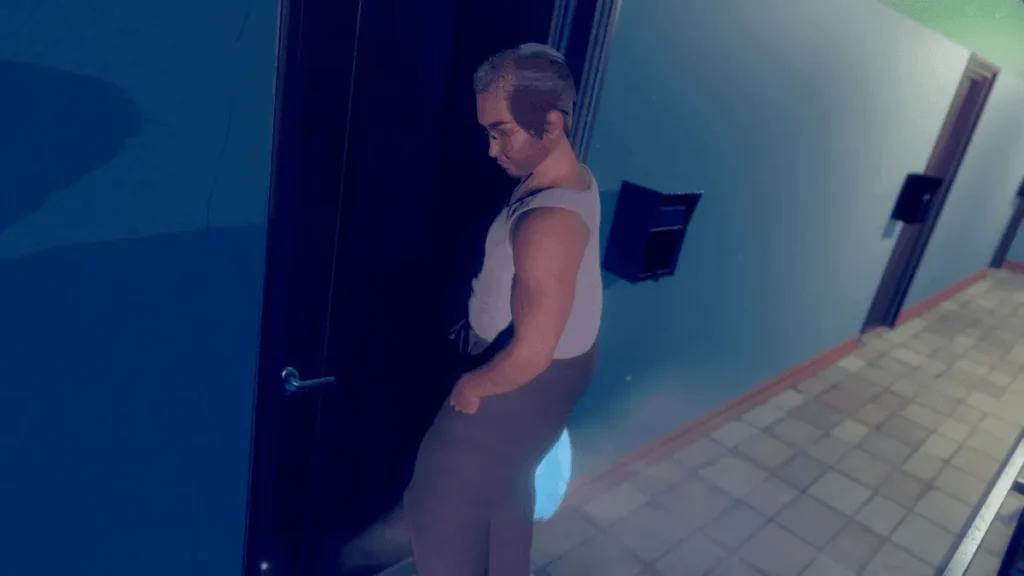
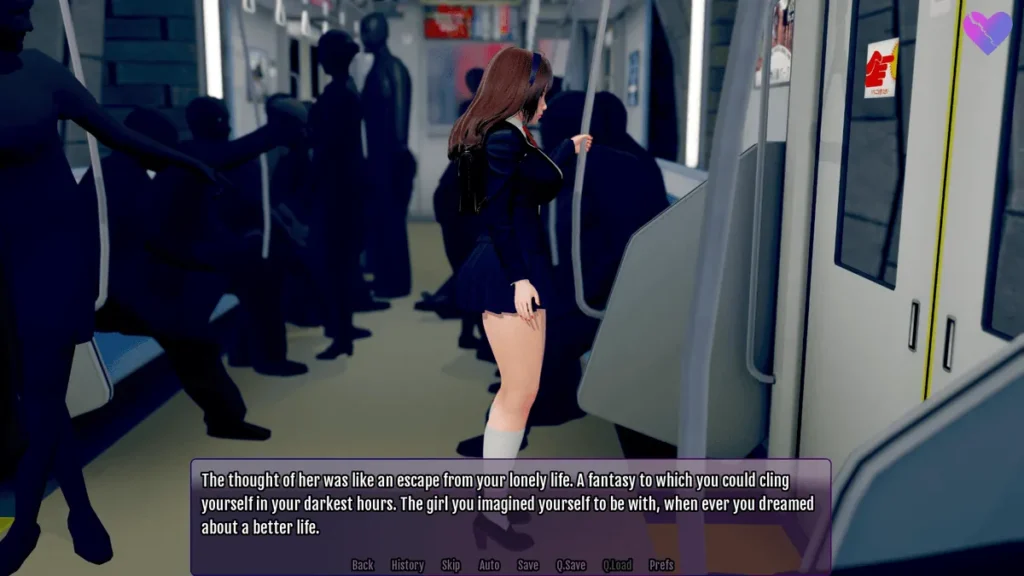

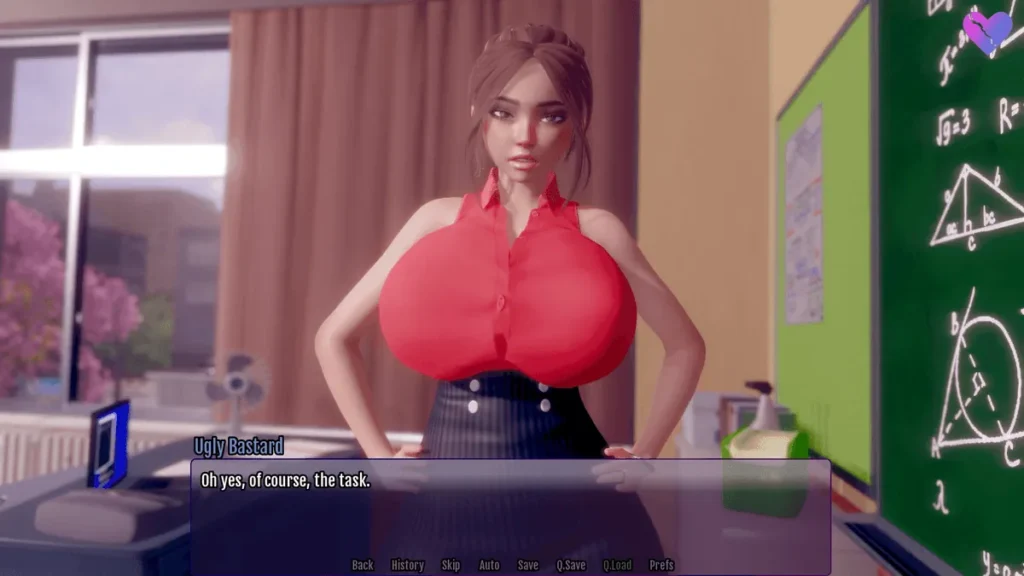
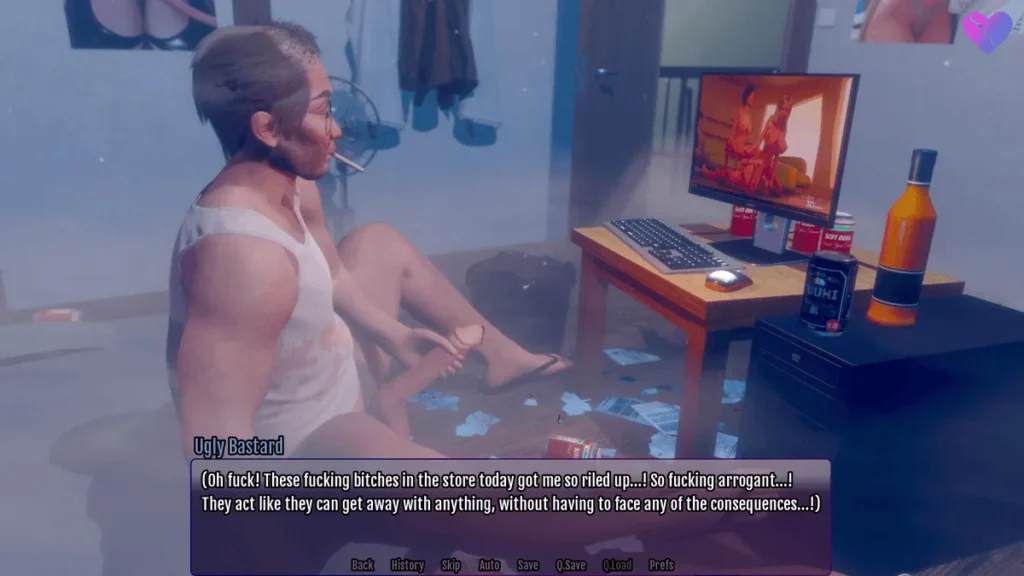
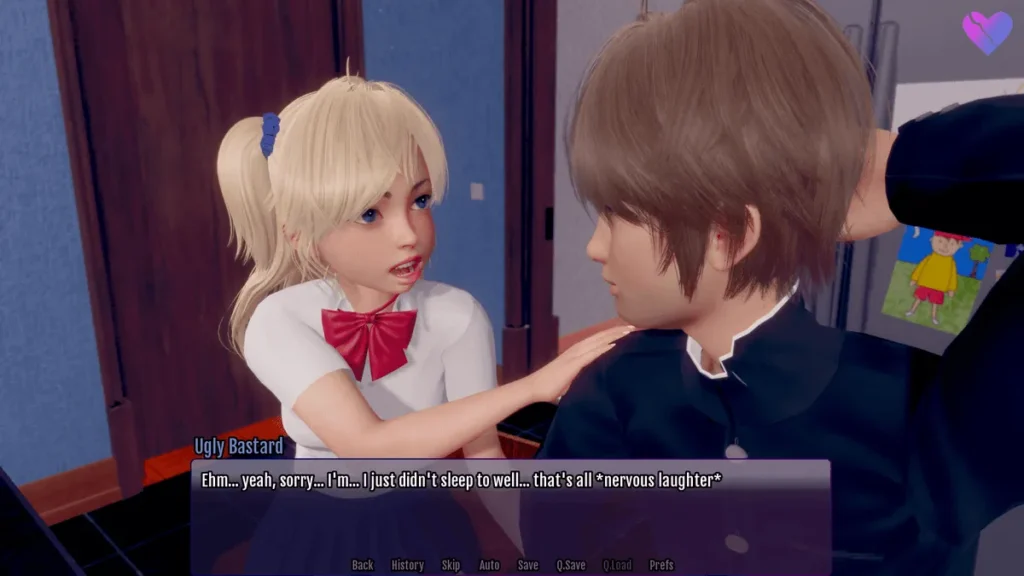



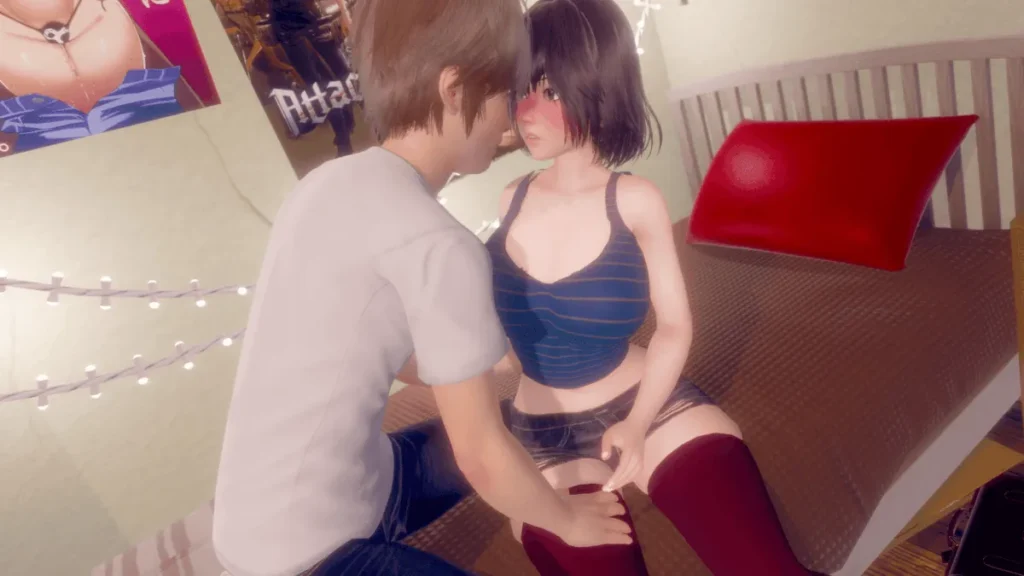

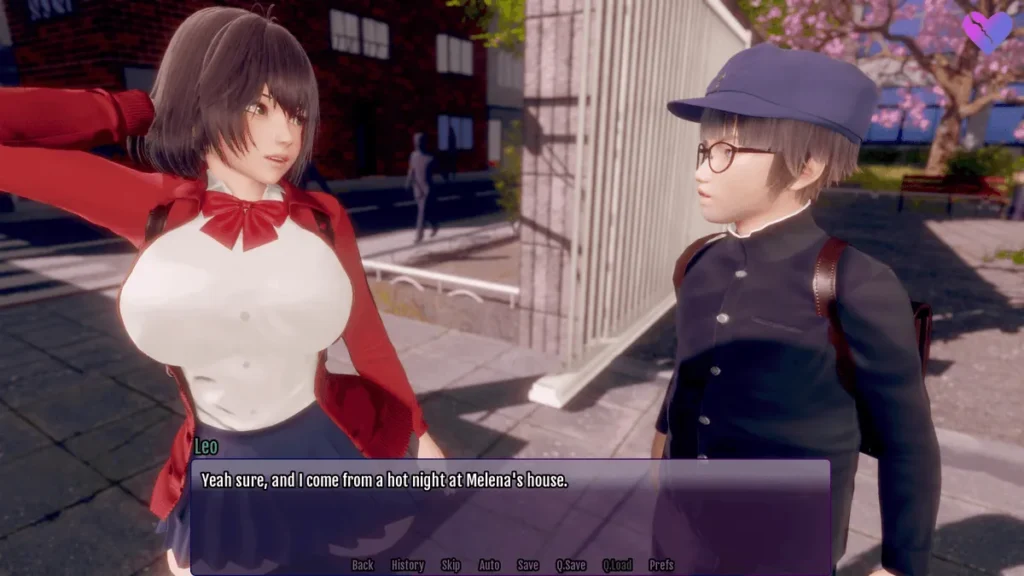
Twisted Memories review
Explore the psychological narrative and strategic choices in this provocative visual novel
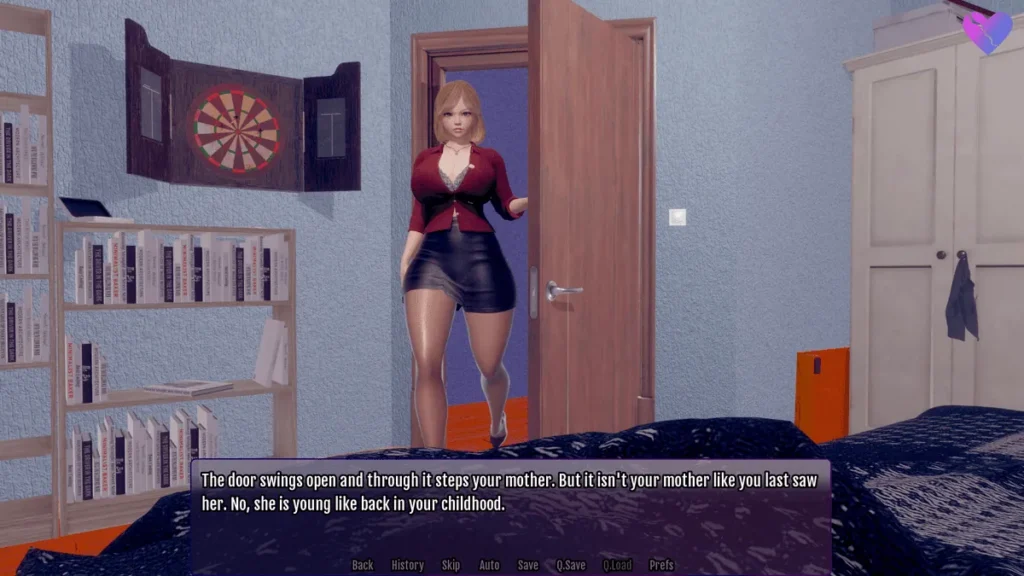
Twisted Memories stands out as a unique psychological visual novel that challenges players with its unconventional narrative structure and mature themes. The game follows a middle-aged protagonist who mysteriously finds himself transported back into his teenage body, retaining all the memories, regrets, and cynicism of his older self. This premise creates a fascinating exploration of power dynamics, personal agency, and moral ambiguity. Players navigate complex dialogue trees and make strategic choices that shape relationships and determine story outcomes. Whether you’re interested in character-driven narratives, branching storylines, or games that explore darker psychological themes, understanding Twisted Memories’ core mechanics and story elements will help you decide if this experience aligns with your gaming preferences.
The Premise and Narrative Foundation of Twisted Memories
What if you could go back? Not just in memory, but in body and place, armed with every painful lesson life has taught you? 🕰️ That’s the haunting, irresistible hook of Twisted Memories, a game that takes the familiar concept of second chances and twists it into a psychological vise. At its core, the Twisted Memories premise isn’t about fixing your life with a cheat sheet; it’s about being forced to relive your greatest failures with the weary, wounded soul who endured them. This isn’t a story of sunny redemption—it’s a deep, often uncomfortable dive into regret, resentment, and the fractured psyche of a man who has truly lost his way.
Welcome to the foundation of one of the most provocative stories in interactive fiction. Let’s peel back the layers of this psychological narrative game and understand the broken man at its center.
Understanding the Time Travel Concept
Forget magical portals or gleaming sci-fi machines. The time travel visual novel mechanics in Twisted Memories are brutally intimate and psychologically grounded. One moment, you’re a man in his forties, staring at the hollowed-out wreckage of your life—no lasting relationships, no career triumphs, just the echoing silence of missed opportunities. The next, you’re blinking awake in a sun-drenched bedroom you haven’t seen in decades, staring at a youthful face in the mirror that no longer feels like your own. ✨
This is the game’s masterstroke: the protagonist doesn’t travel so much as he awakens. He retains every memory, every bitterness, every cynical thought from his future, now trapped in his teenage body. The past isn’t a playground; it’s a meticulously reconstructed prison. You, the player, navigate this prison with a dual perspective. You see the high school hallway both as the teenager who once walked it and as the adult who knows every friendship that will sour and every hope that will curdle.
“It’s the ultimate curse of consciousness: to see the trap forming around you with perfect clarity, yet to be powerless to stop yourself from walking into it, because you already have.”
This framework fundamentally shapes the visual novel story structure. Choices aren’t about discovering what will happen, but about deciding how to interact with a past you already know is doomed. Do you play the part expected of you, screaming inside with every fake smile? Or do you use your foreknowledge to manipulate, to lash out, or to desperately try carving a new path, even as your own jaded nature works against you? The time travel visual novel element here is less about altering history and more about surviving it with a soul you already know is broken.
The Protagonist’s Psychological State and Motivations
Who is the man trapped in this impossible situation? He is the absolute heart of this psychological narrative game. Imagine a man whose defining traits are regret and resentment, now given a perverse chance to stew in them directly at the source. He is jaded, viewing the passionate dramas of teenage life with the weary contempt of someone who knows none of it ultimately matters. He is cynical, believing the worst of people because his future memories often confirm those beliefs. 😔
Most crucially, he is profoundly self-serving and manipulative. His primary character motivation and regret isn’t rooted in a desire to be a better person, but in a burning need to rectify the perceived injustices of his first life and to secure comfort for himself. He remembers a future of loneliness and failure, and he is determined to avoid it—not through genuine growth, but often through calculation and control. His internal monologue, which you are privy to, is a constant stream of judgment, sarcasm, and strategic planning, revealing a fractured psyche at war with itself and the world.
A deep, festering resentment toward his family is a key driver. He recalls every slight, every moment of feeling unseen or unsupported, and he views his teenage years through that poisoned lens. His goals within the game are frequently tinged with this anger. Is he trying to connect? Or is he trying to settle scores from a future they haven’t even lived yet? This complex protagonist character development asks the player to sit with a deeply flawed, often unlikable character, and understand the roots of his bitterness. You aren’t asked to approve of him, but to comprehend him.
To see how these raw traits translate into your experience, let’s break down their impact:
| Character Trait | Influence on Story Progression | Impact on Player Experience |
|---|---|---|
| Jaded & Cynical | Unlocks unique, pessimistic dialogue choices; sees through other characters’ facades early; often rejects sentimental or naive paths. | Creates a constant sense of dramatic irony and emotional distance. You see the world through a lens of anticipated disappointment. |
| Manipulative | Enables strategic social gameplay; allows for turning past knowledge to personal advantage; can bypass certain conflicts through deceit. | Presents morally ambiguous choices. Success often feels ethically compromised, challenging the player’s desire to “win.” |
| Self-Serving | Drives goals focused on personal wealth, status, or revenge over communal good. Shapes relationship metrics around utility. | Forces introspection on your own priorities. Are you playing to help others, or to feed the protagonist’s wounded ego? |
| Introspective | Fuels extensive internal monologue; highlights the disconnect between thought and action; reveals hidden vulnerabilities. | Deepens narrative immersion. You are constantly inside the protagonist’s head, making his conflicted psyche your own. |
How Past Regrets Shape Present Actions
Every choice in Twisted Memories is filtered through the ghost of future failure. This is where the Twisted Memories premise transforms from a neat hook into a profound narrative engine. Regret isn’t just a feeling; it’s a compass. The protagonist’s actions are direct responses to the catalog of pains he carries. Did he regret being passive and missing a romantic opportunity? Now, he may aggressively pursue it, but with the clumsy, calculated desperation of a middle-aged mind, not the innocence of youth. Did he regret a falling-out with a friend? His attempt to “fix” it might be coldly transactional, poisoning the genuine connection he thinks he wants. 💔
The game brilliantly creates moral grey areas by forcing you to act on these regrets with a corrupted toolset—the protagonist’s own damaged personality. You know what went wrong before, but does using manipulation to “correct” it make the outcome better, or just different? The game challenges the very idea of a “good” choice. Is it better to be kind, or to be effective in securing a less miserable future? The adult protagonist teenage body scenario makes every social interaction a minefield. You have the emotional baggage and world-weariness of an adult, but you’re expected to perform the role of a teenager. This dissonance is a constant source of tension, both internally and in how other characters perceive your often-uncharacteristic behavior.
This is all delivered through a deliberate, slow-paced narrative structure. Twisted Memories isn’t about quick events or constant plot twists. It’s about lingering in moments, in conversations, and most of all, in the protagonist’s own head. The pacing emphasizes character introspection over action, making you dwell on the consequences of a harsh word or a selfish decision. You feel the weight of every interaction because the protagonist feels it tenfold, analyzing it against the backdrop of his past-life memories.
Ultimately, exploring the Twisted Memories premise is an exercise in uncomfortable empathy. You guide a man who is his own worst enemy, armed with the devastating weapon of hindsight. The psychological narrative game doesn’t offer easy escapes or simple happy endings. Instead, it offers a raw, compelling, and meticulously crafted journey into the heart of character motivation and regret, asking what we become when our past is not just a memory, but a cage we are forced to inhabit a second time. It’s a masterclass in using the visual novel story structure to explore the darkest corners of the human experience, proving that the most compelling journeys aren’t those that change the world, but those that force us to stare, unblinking, at the reflection in the mirror—both past and present.
Twisted Memories represents a distinctive entry in the visual novel genre, offering players a psychologically complex narrative experience that prioritizes character development and moral ambiguity over conventional storytelling. The game’s core strength lies in its willingness to explore uncomfortable themes and create a protagonist whose motivations challenge player assumptions about right and wrong. With its extensive dialogue, branching narrative paths, and strategic choice system, the game rewards players who engage deeply with its psychological themes and character relationships. Whether you’re drawn to narrative-driven experiences, character-focused gameplay, or games that explore darker aspects of human psychology, Twisted Memories offers a unique journey that demands patience, introspection, and a willingness to confront uncomfortable truths. The game’s mixed reception reflects its niche appeal—it’s not designed for casual players seeking lighthearted entertainment, but rather for those seeking a thought-provoking, character-driven experience that lingers long after the final choice is made.