Toro 7
Play Toro 7
Toro 7 Screenshots
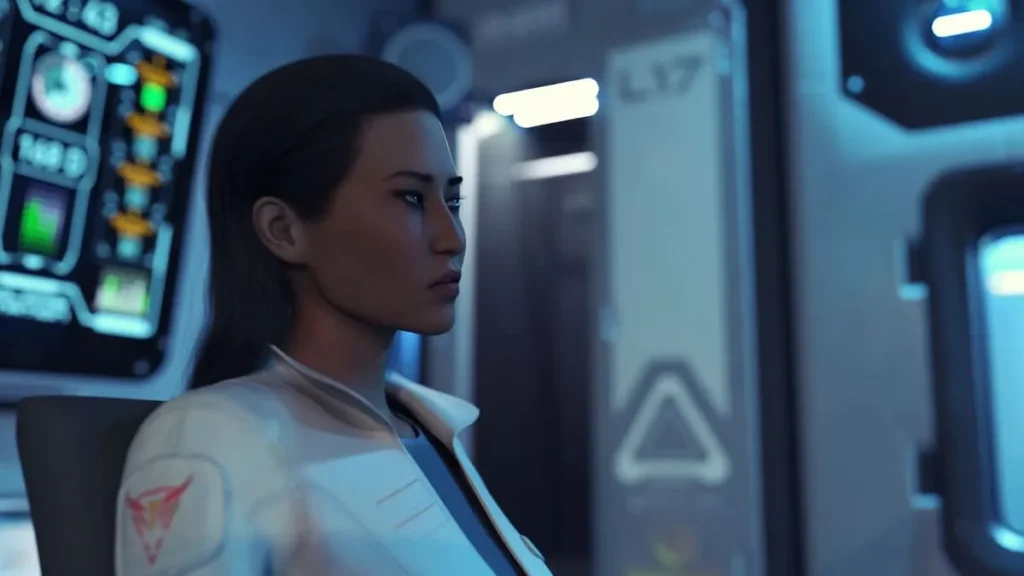
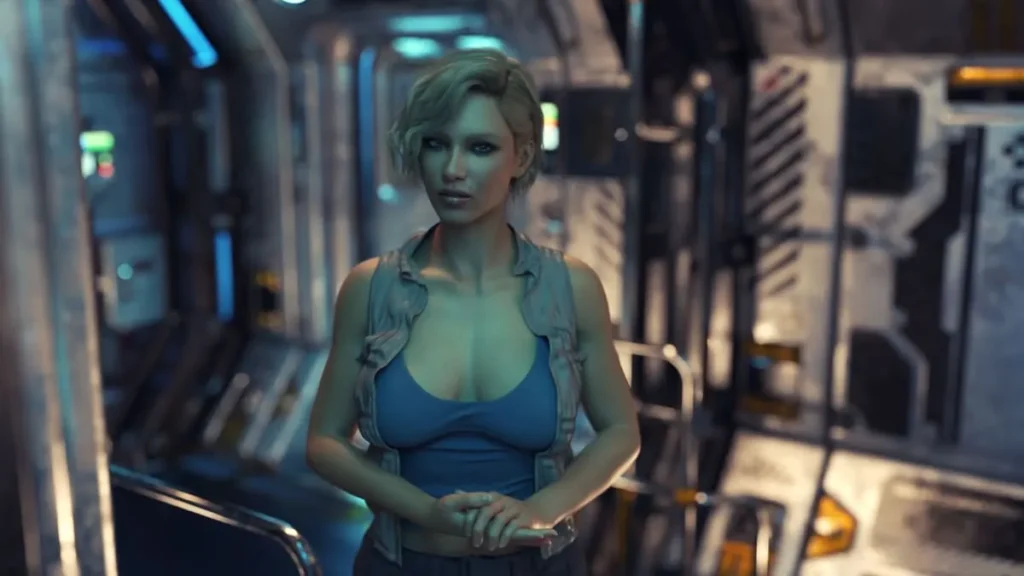
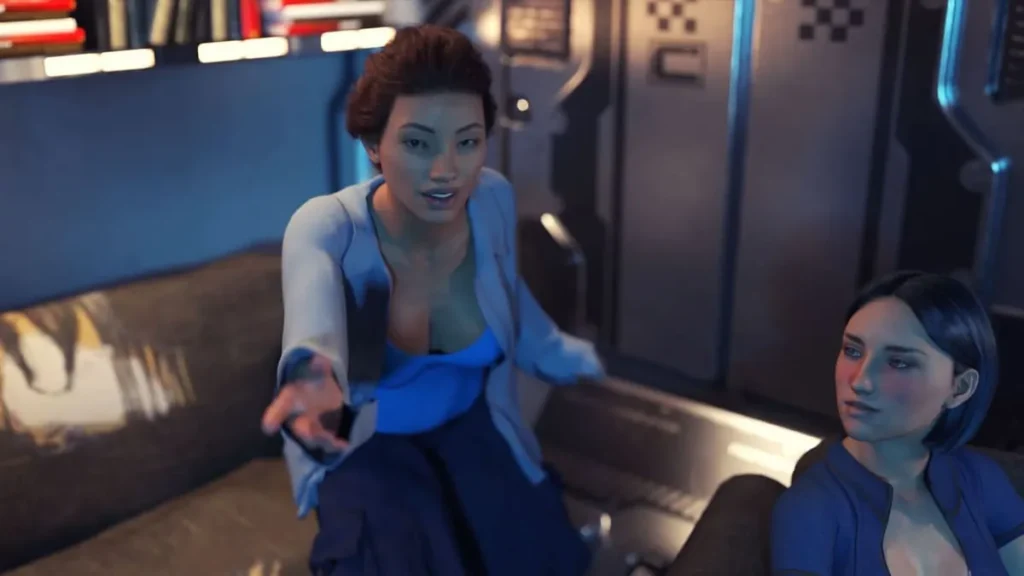
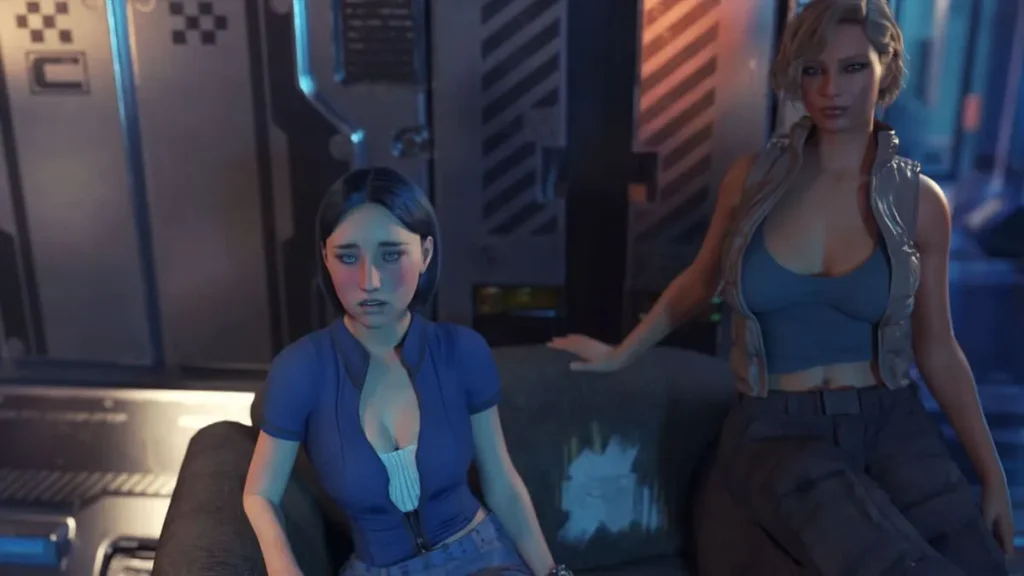
Toro 7 review
Explore the narrative-driven experience of this science fiction adventure
Toro 7 stands out as a distinctive narrative-driven science fiction experience that immerses players in an atmospheric deep-sea research station setting. This story-focused adventure places you in the role of a security officer arriving at an isolated facility, where mystery and tension unfold through carefully crafted storytelling. Whether you’re interested in understanding the game’s unique premise, exploring its character-driven narrative, or discovering what makes this title different from conventional gaming experiences, this guide provides comprehensive insights into what Toro 7 offers to players seeking meaningful, character-centric gameplay.
Understanding Toro 7: Setting, Premise & Core Experience
Imagine a game where the story isn’t just a backdrop for action, but the very fabric of everything you do. A place where your curiosity, not your reflexes, is the most powerful tool in your inventory. Welcome to Toro 7, a title that redefines what a science fiction adventure can be by placing narrative at its absolute core. If you’re tired of games that rush you from one firefight to the next and crave an experience that lingers in your mind long after you’ve put down the controller, you’ve found your next obsession. This isn’t about saving the universe with a giant gun; it’s about uncovering a personal, intimate mystery in one of the most claustrophobic and fascinating settings imaginable. Let’s dive deep and understand what makes the Toro 7 game such a standout in the realm of interactive storytelling. 🎮✨
What is Toro 7 and Its Unique Narrative Focus?
So, what exactly is Toro 7? At its heart, it’s a story-focused science fiction game that chooses the path of depth over breadth. Instead of sprawling open worlds crammed with repetitive tasks, Toro 7 offers a meticulously crafted, linear narrative that unfolds within a single, unforgettable location. The core loop isn’t about combat or resource gathering; it’s about exploration, conversation, and deduction. You progress by piecing together the story, making the narrative-driven gameplay the primary mechanic.
I remember booting it up for the first time, expecting perhaps a tense thriller with stealth elements. What I got was something far more compelling: a slow-burn psychological drama where the environment itself is a character. There’s no HUD cluttering your screen with objectives; your goals are derived from the plot and your own growing understanding of the situation. This design philosophy makes Toro 7 a breath of fresh air. It’s a game that trusts its story and its player, asking you to engage intellectually rather than just react physically.
Pro Tip: To fully appreciate Toro 7, shift your mindset. Approach it like a gripping novel or a miniseries you can influence. Don’t rush. Read every log, listen to every audio diary, and let the atmosphere sink in. Your patience will be richly rewarded.
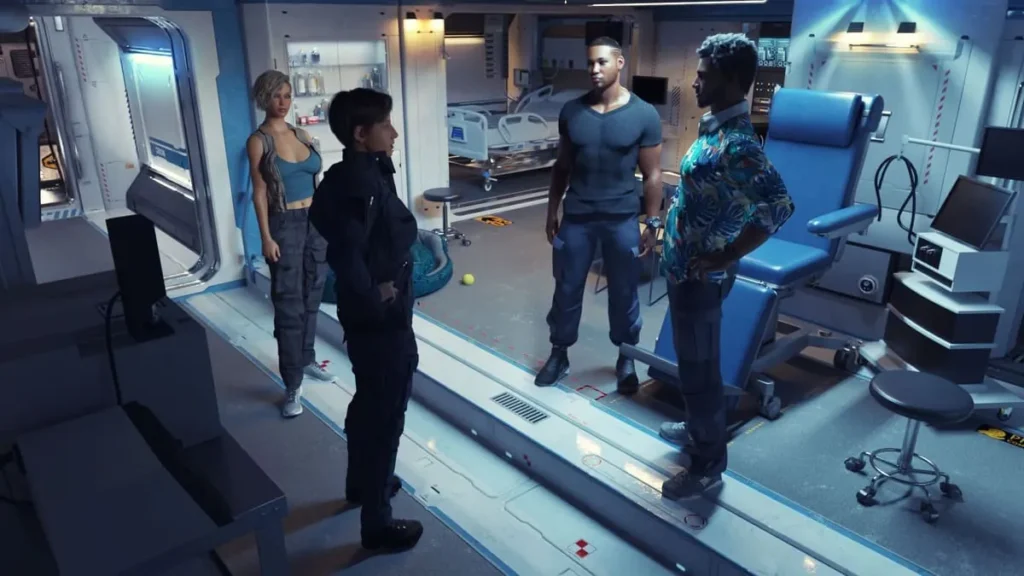
What sets this story-focused science fiction game apart is its unwavering commitment to character-centric storytelling. The plot is driven by the personalities, histories, and hidden motives of the people aboard the station. Your understanding of events is filtered through their relationships and conflicts. This isn’t a tale about an anonymous hero; it’s a web of individual stories waiting to be untangled. For players who love rich lore and complex characters, Toro 7 is a masterclass.
The appeal here is specific and powerful. It caters to demographics often underserved by mainstream titles: the readers, the thinkers, and those who value emotional payoff over visceral thrill. If games like What Remains of Edith Finch or Firewatch resonated with you, then the Toro 7 game is squarely in your wheelhouse. It proves that a game doesn’t need explosions every five minutes to create tension; sometimes, a whispered conversation in a dimly lit corridor can be far more chilling. 😌📖
Here’s a quick comparison of what makes Toro 7’s approach unique:
| Traditional Sci-Fi Game | Toro 7’s Narrative Approach |
|---|---|
| Progress is gated by combat prowess or puzzle-solving. | Progress is gated by story discovery and character insight. |
| The world is a playground for action set-pieces. | The world is a narrative artifact to be examined and understood. |
| Character development often serves the gameplay mechanics. | Gameplay mechanics exist solely to serve character development and plot. |
| Player agency is often about *how* to overcome a challenge. | Player agency is about *what* to discover and *which* perspectives to believe. |
The Deep-Sea Research Station: Atmosphere and World-Building
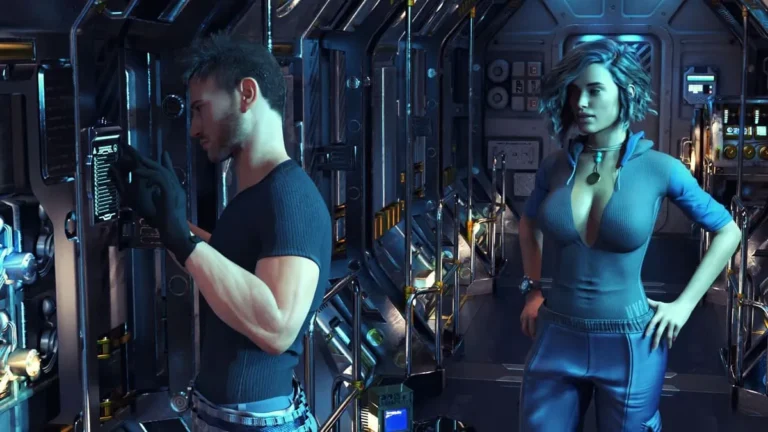
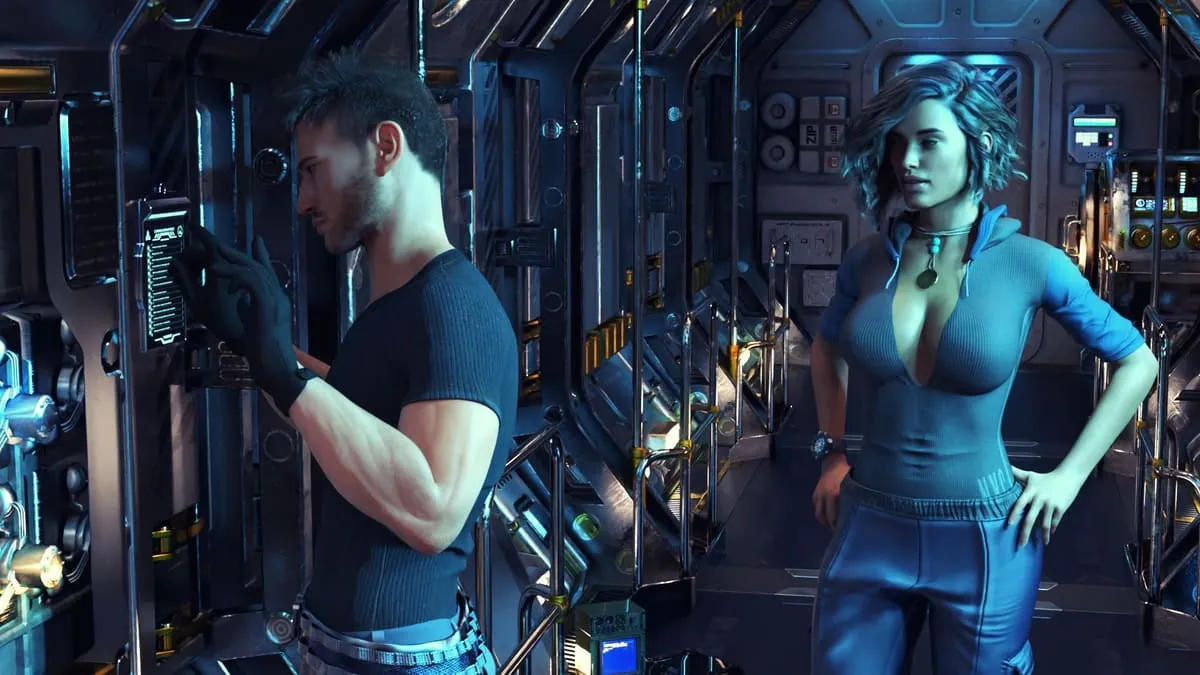
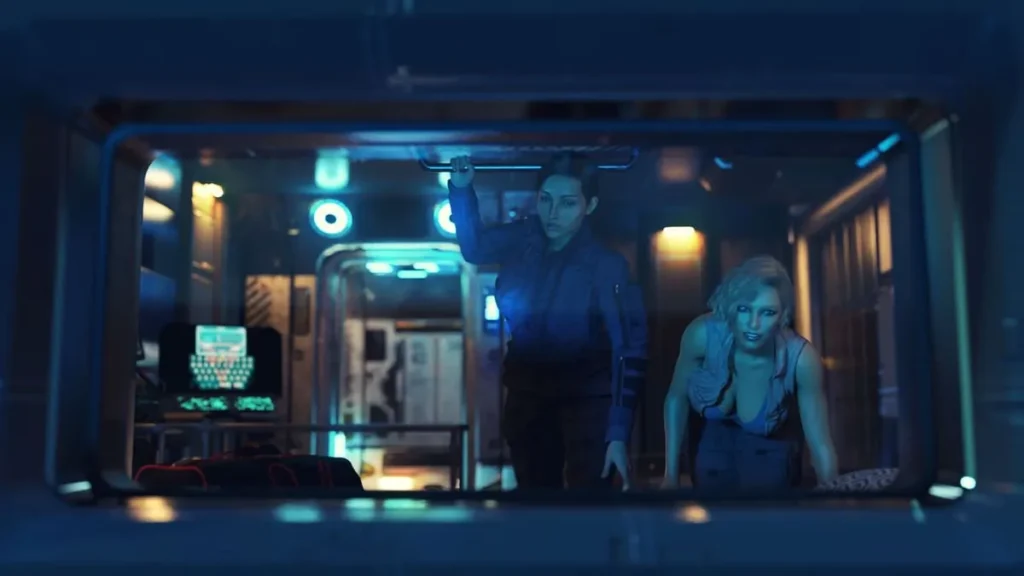
The genius of Toro 7 is how its setting and story are inseparable. The entire experience takes place in the “Toro 7” facility, a deep-sea research station setting that is as much a protagonist as any human character. Situated in the crushing blackness of the ocean abyss, this station is a masterpiece of atmospheric design. From the moment you arrive, the game establishes a potent sense of isolation and latent dread that never lets up.
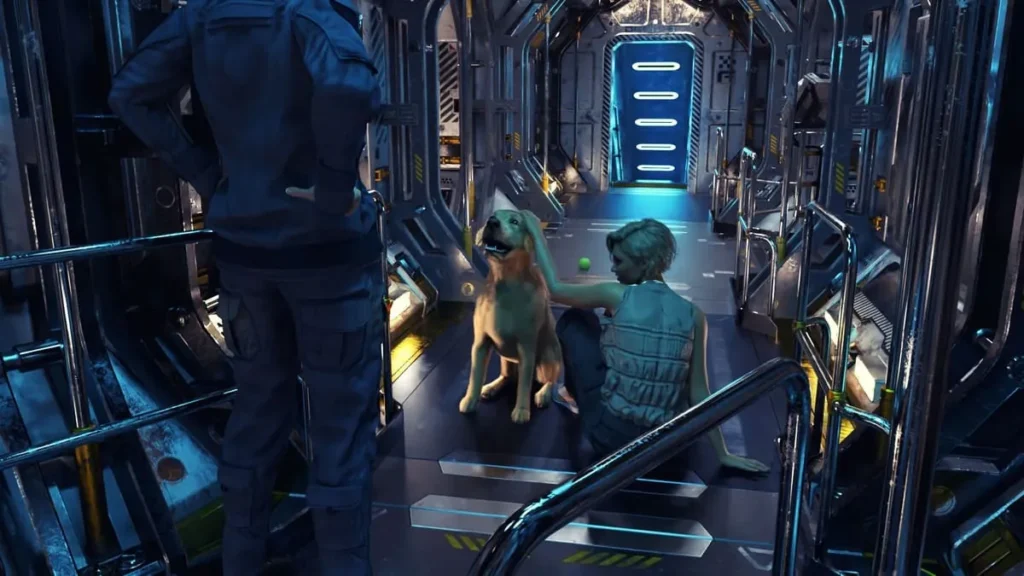
The deep-sea research station setting is built on a foundation of stark contrasts. It’s a place of advanced science—gleaming labs, sophisticated holographic displays, and complex machinery—but it’s encased in a skeletal frame of industrial grime, dripping pipes, and reinforced hulls that groan under immense pressure. The constant, low hum of life support systems becomes the soundtrack to your investigation, a reminder of the fragile bubble of humanity in an utterly hostile environment. This isn’t a glamorous starship; it’s a workplace, and it feels authentically lived-in, worn, and vulnerable.
The atmospheric game experience is crafted through meticulous environmental storytelling. You won’t find lengthy codex entries dumped in your lap. Instead, the story is told through:
* The state of the rooms: A half-eaten meal abandoned in a cafeteria, a hastily scrawled note pinned to a console, or a personal quarters left in disarray.
* Ambient sounds: The distinct beeps of different equipment, the distorted chatter of old intercom messages, and the ever-present, haunting silence of the deep sea just beyond the walls.
* Lighting and space: Harsh, clinical LEDs in the labs versus the warm, dim emergency lighting in the residential sectors, creating a visual rhythm that guides your emotional response.
* Architectural layout: The looping, sometimes illogical layout of corridors that makes the station feel like a maze, reflecting the growing confusion of the narrative.
Let’s paint a picture with that specific opening example. After the briefest of introductions, your character, a new security officer, arrives via a diving pod. The first thing you notice isn’t a threat, but silence. The main airlock chamber is deserted. A warning light on a panel flashes a slow, rhythmic red, casting long shadows. Your only greeting is the computerized voice of the station AI, its tone impersonal and slightly distorted. As you step out, your boots echo on the metal grating, a sound that feels absurdly loud in the emptiness. You pass a viewing port, and for a moment, you stop. Outside is pure, impenetrable blackness—a void that feels both awe-inspiring and deeply menacing. This isn’t just a setting; it’s a mood, established without a single line of dialogue from another person. The mystery begins with the environment itself. 🌊🕵️♂️
This deep-sea research station setting is the perfect catalyst for narrative tension. The isolation means there’s no cavalry coming, no easy escape. Every strange noise or malfunctioning system is amplified by the knowledge that you’re completely alone, miles beneath the surface. The setting creates a natural pressure cooker for human drama, where secrets fester and paranoia can thrive. The mystery of what happened here feels so compelling precisely because of where it’s happening. The station isn’t just a container for the plot; it actively shapes it, making the atmospheric game experience central to the storytelling.
Your Role as Security Officer: Character Perspective and Immersion
In most games, playing a security officer would mean you’re the action hero—the first line of defense with a big arsenal. Toro 7 brilliantly subverts this expectation. Your role as the security officer character is not about being a warrior, but about being an investigator. You are an outsider brought in under unclear circumstances, and your primary duty is to assess, report, and understand. This perspective is the key to the game’s immersive power.
From this security officer character viewpoint, the narrative-driven gameplay makes perfect sense. Your tool isn’t a weapon; it’s your security clearance. You have access to personnel files, private logs, and restricted areas. Your progression is tied to using this access to build a case, to piece together the timeline of events that led to the station’s current deserted state. This role creates a fantastic layer of verisimilitude. You’re not a super-soldier; you’re a professional doing a job, which makes every discovery feel earned and real.
I found this perspective incredibly refreshing. In one playthrough, I spent twenty minutes in a character’s quarters, not because I was stuck on a puzzle, but because I was genuinely poring over their personal effects, cross-referencing dates on photographs with entries in the station’s main log. The game rewarded that curiosity with a subtle but heartbreaking insight into a side character’s motivations. That’s the power of character-centric storytelling; it makes the world feel populated by real people, even when they’re not physically present.
The security officer character is also a narrative filter. You experience the story through their eyes, and your understanding is limited by what they can find and comprehend. This first-person perspective (both literally and figuratively) deepens the mystery. You’re not an omniscient entity; you’re a person trying to make sense of a confusing situation, which makes the revelations more impactful. The game uses this to play with your perceptions, making you question what’s real and who you can trust.
| How The Security Officer Role Shapes The Experience | Why It Enhances Immersion |
|---|---|
| Focus on investigation over confrontation. | Makes the player an active participant in the mystery, not just a spectator to action. |
| Access to bureaucratic systems and logs. | Grounds the sci-fi elements in a believable, procedural reality. |
| Emotional distance as an outsider initially. | Allows the player’s curiosity and growing attachment to mirror the character’s own journey. |
| Moral and professional dilemmas inherent to the role. | Creates weight behind dialogue choices and decisions about what to report or conceal. |
This approach to character-centric storytelling means that every piece of the Toro 7 game is in service to the narrative. The slow, deliberate pace isn’t a flaw; it’s a feature that allows relationships and tensions to simmer. You’ll spend time learning about the crew’s petty arguments, their scientific passions, and their personal fears. When the larger plot twists occur, they land with emotional force because you feel you know the people involved. The narrative-driven gameplay loop of explore-discover-reflect becomes intensely satisfying, offering a profound sense of closure that many faster-paced games struggle to achieve.
Ultimately, understanding Toro 7 is about embracing a different kind of interactive experience. It’s a story-focused science fiction game that finds its grandeur in the small details of human drama played out under the ocean’s immense pressure. The deep-sea research station setting is a character in itself, crafting an atmospheric game experience of unparalleled claustrophobia and intrigue. By casting you as a security officer character, it delivers a uniquely grounded and immersive form of narrative-driven gameplay that prioritizes character-centric storytelling above all else. If you’re ready to trade adrenaline for anticipation and gunfire for gut feelings, the depths of Toro 7 are waiting. Your most important mission isn’t to shoot something—it’s to listen, to learn, and to understand. 🔍💙
Toro 7 represents a distinctive approach to interactive storytelling, prioritizing narrative depth and character relationships over traditional gameplay mechanics. The game’s isolated deep-sea setting creates a compelling atmosphere where your role as security officer becomes central to uncovering mysteries and developing meaningful connections with other characters. Through carefully crafted dialogue systems, branching narrative paths, and character-driven progression, Toro 7 offers players a unique experience that rewards engagement with its story and characters. Whether you’re drawn to science fiction narratives, character-focused adventures, or atmospheric storytelling, Toro 7 provides a memorable experience that demonstrates how narrative design can create engaging, immersive gameplay. For players seeking something beyond conventional action-oriented titles, exploring what Toro 7 offers reveals why story-focused games continue to captivate audiences looking for meaningful interactive experiences.