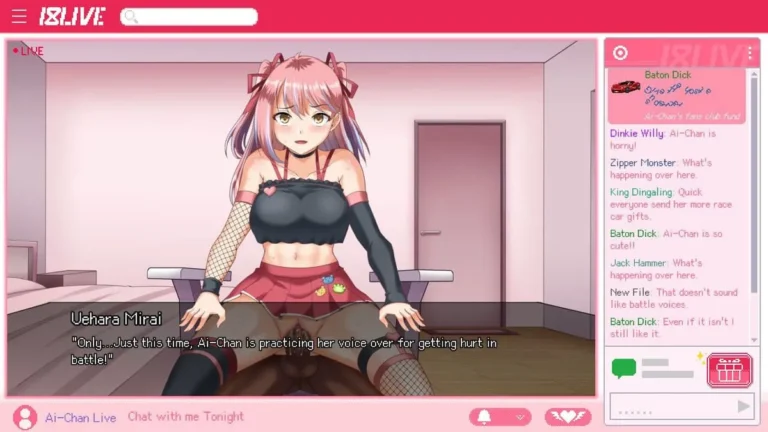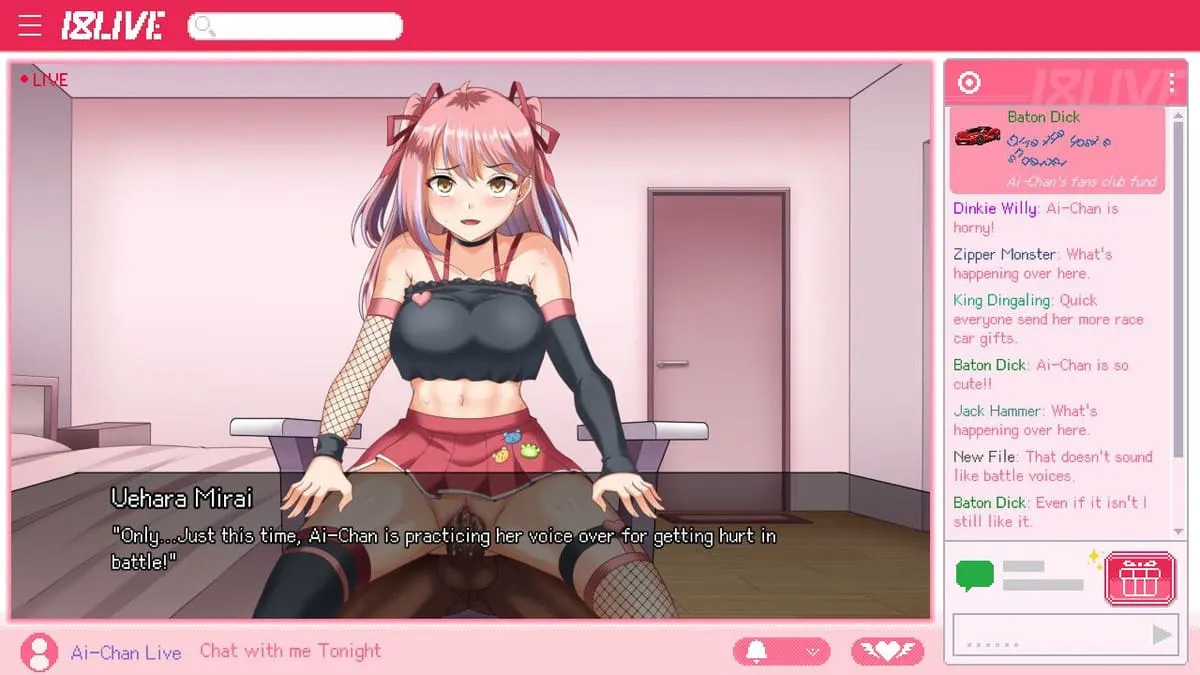
Peeping Dorm Manager Screenshots

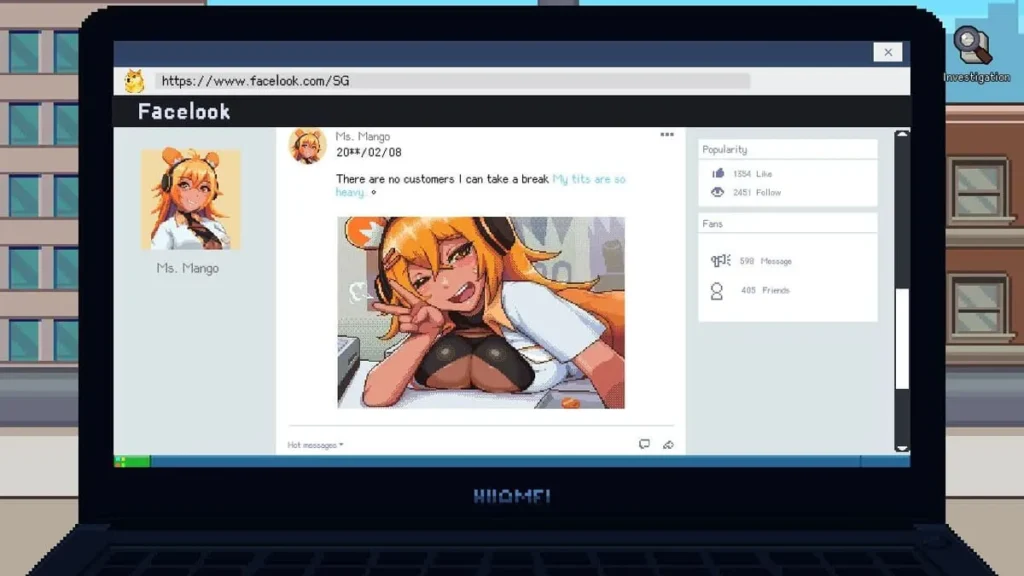
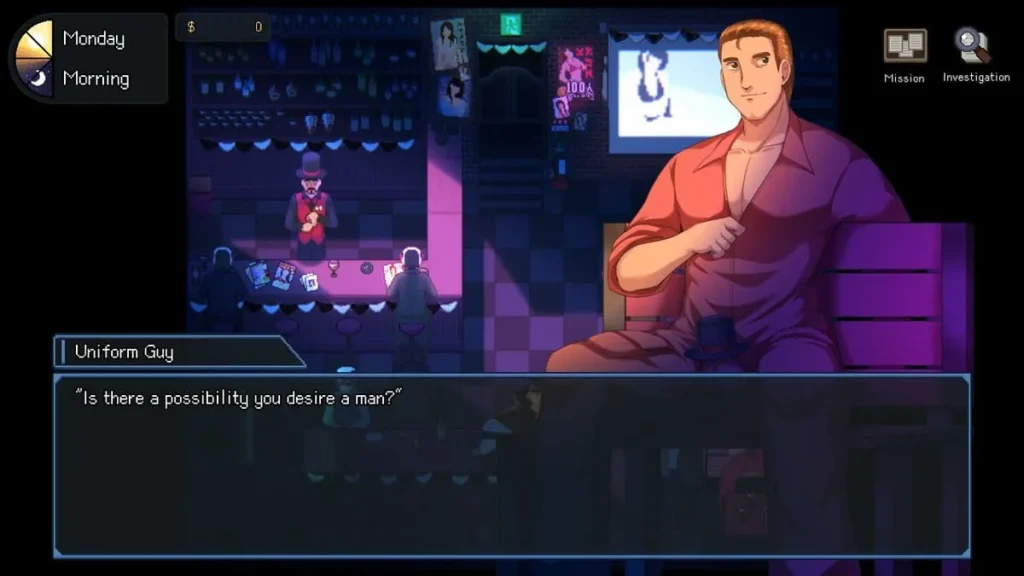
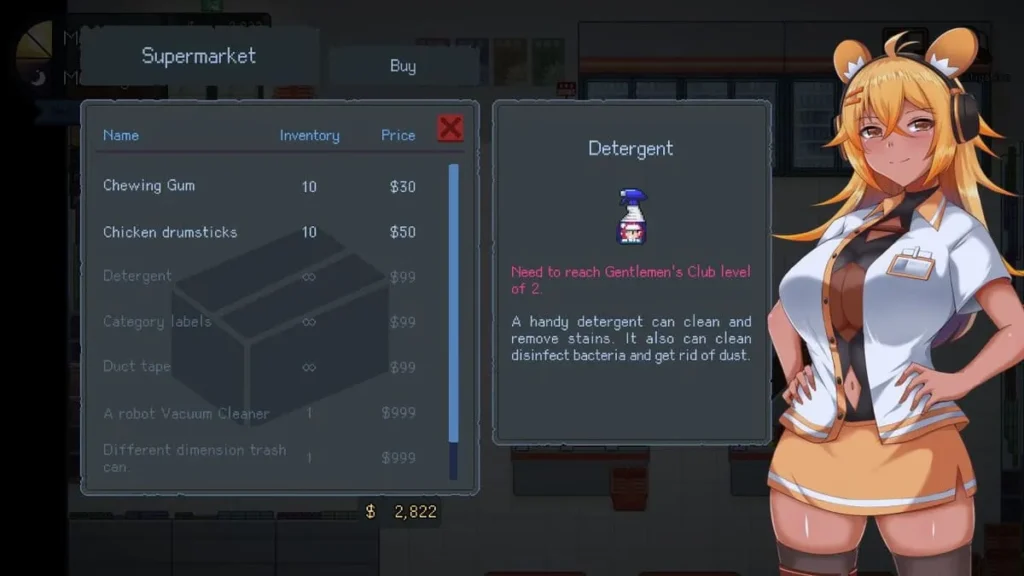


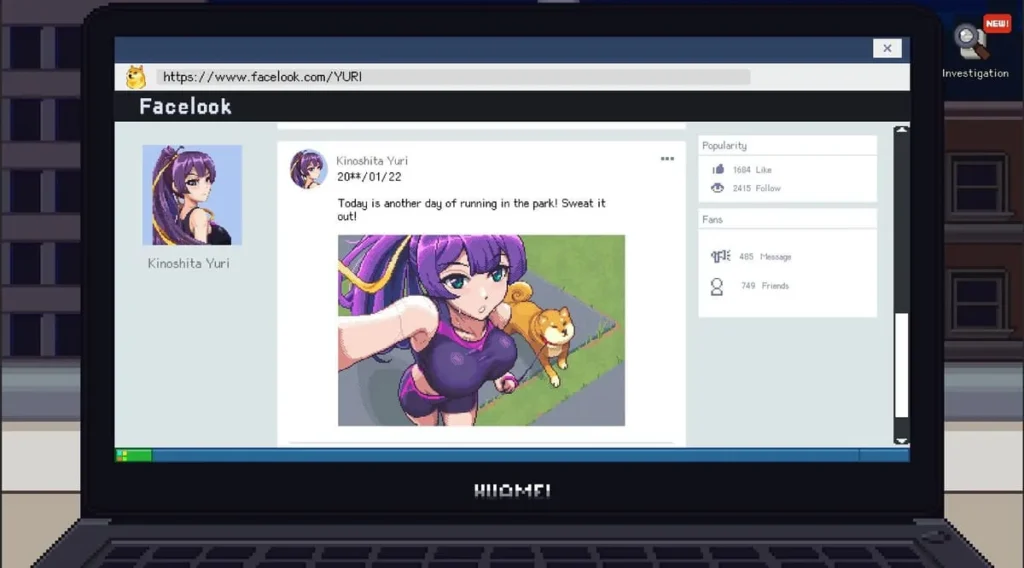
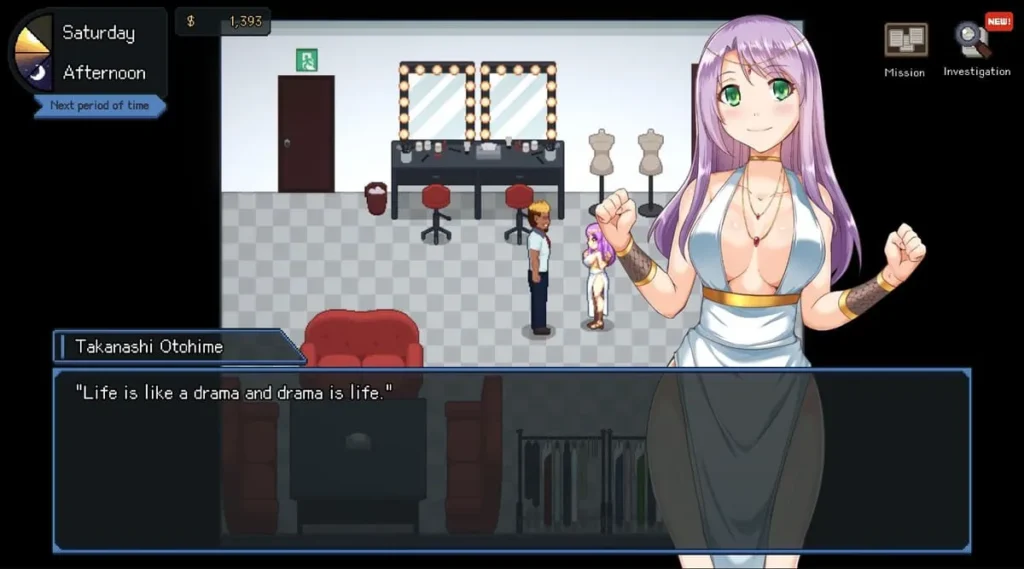
Peeping Dorm Manager review
Honest impressions, gameplay overview, and tips for enjoying Peeping Dorm Manager responsibly
Peeping Dorm Manager is a niche adult-oriented game that puts you in the role of a dorm supervisor juggling daily tasks, character interactions, and voyeur-style scenes. If you have come across its name on storefronts or forums, you might be wondering what the gameplay is really like, how the story unfolds, and whether it offers more than simple shock value. In this guide, I will walk you through my own experience with Peeping Dorm Manager, highlight its main systems, and share practical advice so you can decide if this unusual title fits your tastes and comfort level.
What Is Peeping Dorm Manager and How Does It Play?
Ever found yourself scrolling through Steam or an indie game hub, see a title like Peeping Dorm Manager, and wonder, “Okay, but what is this thing, actually?” 🤔 You’re not alone. It’s one of those games that announces its theme right in the name, but the actual Peeping Dorm Manager gameplay can be a bit of a mystery if you haven’t hit ‘download’ yet.
Let’s pull back the curtain (in a totally managerial, above-board way, of course). At its heart, the Peeping Dorm Manager game is a unique hybrid. It blends the methodical, sometimes stressful duties of a resource-management sim with the narrative-driven, character-focused elements of a visual novel, all wrapped in a mature-themed package. It’s less about frantic action and more about atmosphere, choice, and the slow burn of discovery.
Think of it as a dorm management adult game where your responsibilities and your curiosities are constantly vying for your attention. It creates a specific kind of tension that’s surprisingly engaging. So, if you’re curious about what is Peeping Dorm Manager beyond the provocative title, you’re in the right place. Let’s dive into the dormitory and see how it all works.
Core Premise of Peeping Dorm Manager
The setup is straightforward but effective. You take on the role of a newly appointed manager of a shared residence hall—a dormitory. Your job description, on paper, is purely administrative: keep the place running. 🏢 This means ensuring rooms are clean, handling maintenance requests, collecting fees, and making sure the residents (a colorful cast of characters, each with their own schedules and personalities) don’t burn the place down.
But here’s the hook—and the source of the game’s title. Your managerial position comes with a unique… perspective. You have access to the building’s systems, including the ability to observe the private lives of your residents. The game frames this as a forbidden temptation, an optional path you can choose to explore. The core objective becomes a balancing act: can you efficiently manage your dorm management duties while also succumbing to the allure of peeking into the more personal, risqué events that unfold behind closed doors?
The brilliance is in the narrative framing. You’re not a faceless entity; you’re a character placed in a position of minor authority and major temptation. The atmosphere is key—it’s often quiet, punctuated by the hum of appliances and the muffled sounds of student life. This makes those moments of discovery feel more significant. The game is designed for mature players not just in its content, but in its tone, exploring themes of privacy, power, and curiosity.
Main Gameplay Loop and Progression
So, what do you actually do all day in the Peeping Dorm Manager game? The main gameplay loop is a cycle of tasks, time management, and observation. A typical in-game day might start in your manager’s office, reviewing your task list.
Your primary duties form the backbone of the Peeping Dorm Manager gameplay:
* Cleaning & Maintenance: Rooms get dirty, sinks clog, lights blow out. You must physically go and address these issues, which costs in-game time and sometimes resources.
* Student Interactions: Residents will make requests, from needing a spare key to complaining about a noisy neighbor. How you handle these can affect their opinion of you and unlock new dialogue or events.
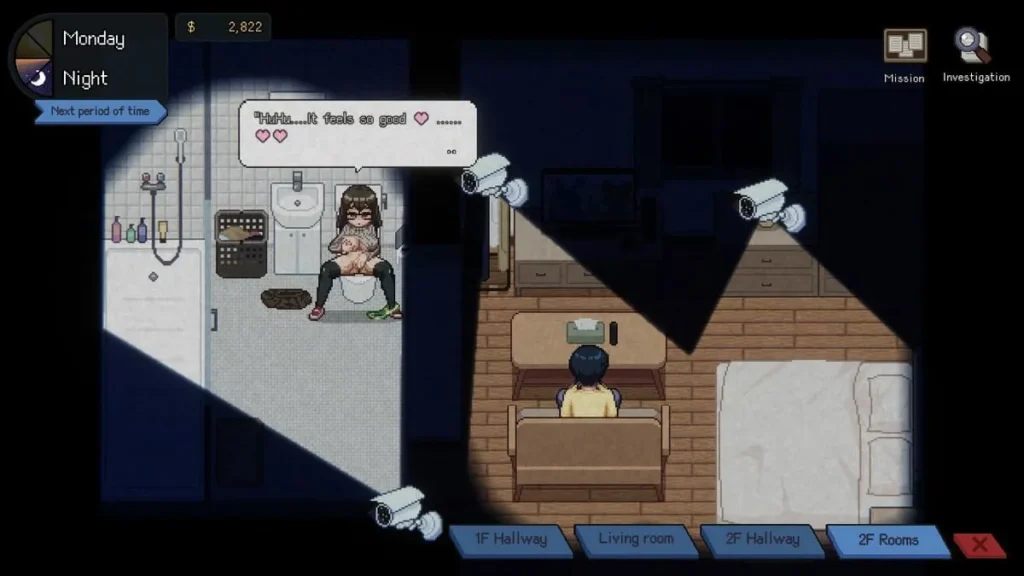
* Observation & Discovery: This is the “peeping” element. By interacting with vents, cameras (if unlocked), or simply timing your room visits carefully, you can witness private character events. These are often the reward for good management and keen timing.
* Resource & Unlock Management: You might earn points or currency for completed tasks, which can be spent to upgrade your tools, unlock new areas of the dorm to oversee, or access more advanced observation methods.
The loop is compelling because everything is connected. Ignoring a leaky faucet to instead watch a resident’s private moment might lead to a flooded room and angry tenants later. The choices you make in how you spend your limited in-game hours directly affect which storylines advance, which characters you grow closer to (or alienate), and ultimately, how the narrative branches.
The interface is usually a mix of point-and-click navigation through the dorm’s hallways and rooms, combined with visual novel-style dialogue and event scenes. Pacing is deliberate—this isn’t a fast-paced game. A typical session can feel methodical, even relaxing, until you’re scrambling because you forgot to restock the laundry supplies and three students are now angry with you. 😅
A Personal Anecdote: My first in-game week was a masterclass in poor time management. I was so focused on learning one particular resident’s schedule to catch a specific event that I completely neglected my cleaning rounds. By day four, I had a backlog of filthy rooms and several disgruntled students. I missed the event I was after and got a stern warning from my (virtual) boss. It taught me a crucial lesson about the game’s core tension: balancing your managerial curiosity with your managerial responsibilities is the real game. You can’t have one without successfully managing the other.
Let’s make this concrete with an example of a single, packed in-game day:
8:00 AM: Start in the office. Check the duty board. Resident in Room 102 has reported a broken lamp. Resident in Room 207 has a “special request” (often code for a potential story event).
9:00 AM: Head to the supply closet, grab a new bulb. Go to Room 102, replace the lamp. Simple.
10:00 AM: Knock on Room 207’s door. The resident, Maya, asks if you can discreetly deliver a note to another resident later. You agree, building trust.
11:00 AM: Time for morning rounds. You clean the common area kitchen. While there, you hear muffled laughter from Room 205. You make a mental note—their schedule is usually empty at this time.
12:00 PM: Lunch “break.” You could eat, or you could use the vent access in the maintenance room to peek into Room 205. You choose the latter, witnessing a small, character-building scene between two residents.
1:00 PM: Back to work. The laundry room is piling up. You spend two hours washing and folding, a mundane but necessary task that keeps the dorm running smoothly.
3:00 PM: You remember Maya’s note. You deliver it, triggering a new branch in her relationship storyline.
4:00 PM: Evening rounds begin. You check for maintenance issues, finding a slowly leaking pipe under the sink in Room 101. You fix it, preventing a bigger problem tomorrow.
This cycle repeats, but each day the characters progress, new requests come in, and your understanding of the dorm’s secret life deepens.
How Peeping Dorm Manager Compares to Similar Titles
When people ask for a Peeping Dorm Manager like Beholder comparison, they’re onto something. There’s a clear spiritual kinship. Both games cast you as an authority figure in a residential building, observing tenants’ private lives while fulfilling official duties. The core tension between state-mandated spying and personal morality in Beholder is mirrored here by the tension between professional duty and personal curiosity.
However, the distinction is significant. While Beholder is a dystopian pressure-cooker about survival and political choices, Peeping Dorm Manager leans much more heavily into character-focused events and adult-oriented storytelling. Its tone is less about existential dread and more about intimate, personal drama (and comedy) within the microcosm of the dorm. Another key difference noted in many a Peeping Dorm Manager review is the perspective—often, you play as a female manager, which can subtly change the dynamic of the observer role compared to other titles in this niche.
Here’s a clearer breakdown of how it stacks up:
| Game | Player Role | Core Tone & Focus | Complexity & Gameplay |
|---|---|---|---|
| Peeping Dorm Manager | Dormitory Manager | Mature-themed character drama, curiosity vs. duty, personal storytelling. | Medium. Focus on daily task loops, time management, and triggering narrative events through observation. |
| Beholder | Government Landlord | Dystopian surveillance, moral survival, political commentary. | High. Heavy resource scarcity, consequential moral choices, multiple endings based on ideology. |
| Tenants (or similar property sims) | Property Owner/Landlord | Capitalist simulation, financial strategy, tenant happiness as a metric. | Medium-High. Focus on economics, renovation, and managing tenant traits to maximize profit. |
| Visual Novel/Dating Sims | Protagonist | Relationship building, narrative branches, dialogue choices. | Low-Medium. Primarily reading and making key choices; minimal resource management. |
What makes Peeping Dorm Manager distinct is its focused theme. It knows exactly what it is and who it’s for. Its strength is its clear, compelling role-playing hook—that fantasy of being the fly on the wall with a master key. The mix of light puzzle elements (figuring out schedules), resource management (your time and tools), and narrative discovery can be deeply satisfying.
For a balanced Peeping Dorm Manager review, it’s fair to note potential weaknesses. The daily routines can become repetitive if the narrative hooks don’t grab you. If a player is only interested in a fast payoff, they might find the need to manage cleaning and maintenance a barrier, leading to perceptions of limited replay value once all character events are seen. It’s a game about the journey, not the destination.
Practical Advice for New Players:
* Start Slow: Spend your first real-life hour just learning the UI and the residents’ public schedules. Don’t try to “see everything” right away.
* Embrace Saving: Use multiple save slots! 🗂️ This lets you explore different choices—like whether to fulfill a request or ignore it—without the frustration of being locked into one path.
* Balance is Key: Remember my failed first week. Schedule your necessary tasks first. Treat observation as a reward you get for being a competent manager.
* Check Platform Notes: If you’re looking on Peeping Dorm Manager Steam page or other stores, always read the community guides and official descriptions. They often give the best sense of the current version’s gameplay length and style.
In the end, the Peeping Dorm Manager game carves out its own niche. It’s for players who enjoy the methodical pace of management sims but crave a more intimate, character-driven, and mature narrative than what a traditional business sim offers. It’s a specific flavor, but for the right player, it’s an oddly compelling and memorable one.
Peeping Dorm Manager is a very specific kind of adult-focused management game, and knowing what it offers before jumping in can make the experience far more enjoyable. Once you understand the daily loop, the pacing, and the kind of tension it tries to create, you can decide whether you want to lean into the story, the strategic planning, or simply explore its more provocative scenes. If the idea of supervising a dorm, uncovering hidden routines, and experimenting with different choices appeals to you, consider giving Peeping Dorm Manager a try with a clear sense of your own boundaries and expectations.