Peasant’s Quest
Play Peasant’s Quest
Peasant’s Quest Screenshots
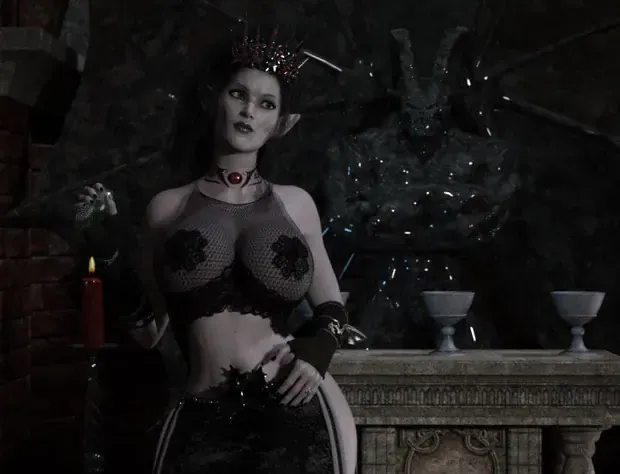
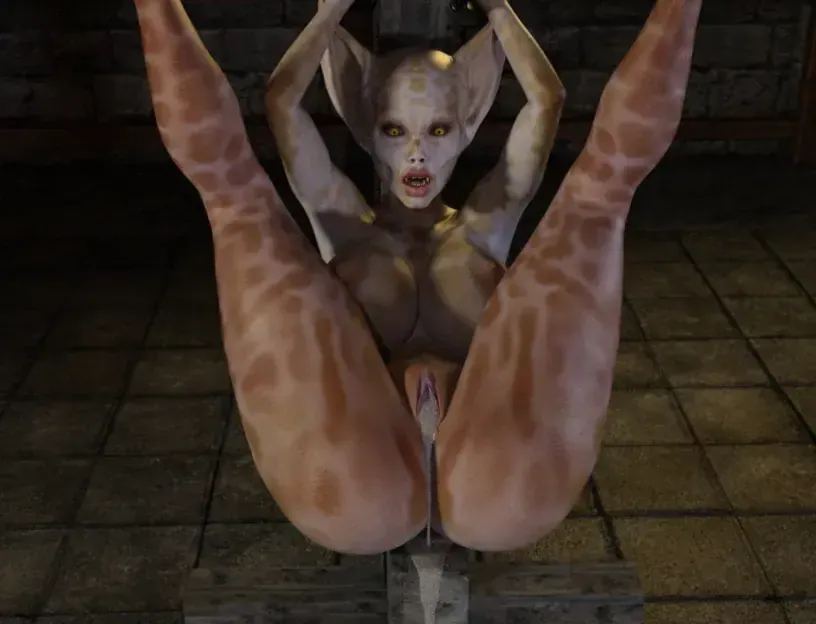
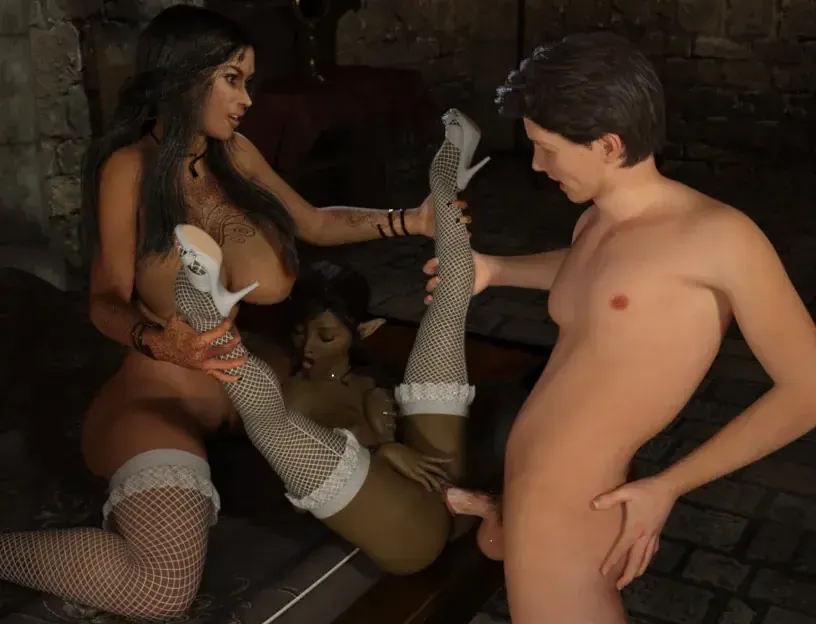
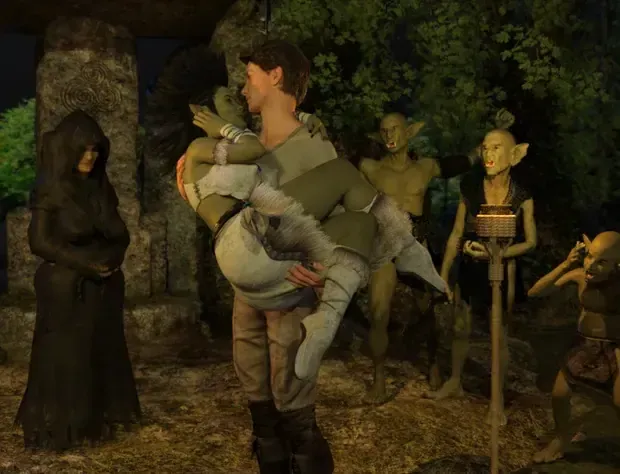



Peasant’s Quest review
Everything you need to know about this controversial indie title
Peasant’s Quest has become a notable title in the indie gaming community, sparking discussions about game design, narrative structure, and player agency. This comprehensive guide explores what makes this game unique, its gameplay mechanics, narrative elements, and the critical reception it has received. Whether you’re curious about the game’s design philosophy, looking for gameplay tips, or interested in understanding the broader context of indie game development, this article provides an in-depth look at all aspects of Peasant’s Quest. We’ll examine the game’s story, mechanics, player experiences, and what sets it apart in the crowded indie market.
Understanding Peasant’s Quest: Game Overview and Design Philosophy
So, you’ve heard the whispers, seen the forum threads, and maybe even raised an eyebrow at the premise. 😏 What is this “Peasant’s Quest” everyone’s talking about, and why does an indie game from a small team have people so passionately divided? If you’re here, you’re past the clickbait and ready for the real talk. Let’s pull back the curtain on one of the most discussed indie titles of recent years.
I remember first booting it up, expecting one thing and getting something else entirely. It wasn’t just a game; it was a statement. This Peasant’s Quest review aims to be your no-nonsense guide, stripping away the hype and controversy to look at the craft underneath. We’re diving deep into the game design philosophy, the nuts and bolts of the Peasant’s Quest gameplay, and the narrative guts that make it tick. Buckle up.
### What is Peasant’s Quest and Why Does It Matter?
At its core, Peasant’s Quest is a narrative-driven role-playing experience that does something beautifully simple yet radical: it makes you unimportant. You are not the Dragonborn, the chosen one, or the last hope of the realm. You are Figgis, a dirt-poor farmer whose biggest concern is the tax collector and a failing crop. When your village is caught in the crossfire of a war between distant nobles, your quest isn’t to save the world—it’s to save your family and maybe, just maybe, secure a slightly better plot of land. 🌾
This shift in perspective is everything. It redefines stakes. Saving a kingdom is abstract; saving your daughter’s future is immediate and visceral. This is where the game design philosophy shines: it’s a game about consequence, not power fantasy. The developers wanted to explore how systemic injustice and class struggle feel from the bottom looking up, and they use interactivity to make you live it. Your decisions are less about “good vs. evil” and more about “desperate vs. pragmatic.”
Why does it matter? In a landscape crowded with epic tales and superpowered protagonists, Peasant’s Quest carves out a space for intimate, grounded stories. It proves that indie game mechanics can be harnessed to ask mature, challenging questions that bigger studios often avoid. It’s a title that prioritizes emotional resonance over graphical polish, and in doing so, has sparked crucial conversations about what adult themes in gaming can truly mean—moving beyond mere content to mature perspective.
| Specification | Details |
|---|---|
| Available Platforms | PC (via official website & itch.io), Mac, Linux |
| File Size | Approx. 2.4 GB |
| Current Version | 1.2.7 “Harvest Update” |
| Minimum System Requirements | OS: Windows 7 64-bit / macOS 10.13 / Ubuntu 18.04, CPU: Intel i3-4170, RAM: 8 GB, GPU: NVIDIA GTX 660 / AMD Radeon 7850, Storage: 5 GB |
| Recommended System Requirements | OS: Windows 10 64-bit / macOS 11.0, CPU: Intel i5-7600, RAM: 16 GB, GPU: NVIDIA GTX 1060 / AMD Radeon RX 580, Storage: 5 GB (SSD recommended) |
| Average Playtime | 12-20 hours (highly variable based on choices) |
| Accessibility Features | Full subtitle & captioning, extensive UI scaling, colorblind modes, adjustable text speed, optional content warnings |
The target audience? 🤔 It’s not for everyone. If you crave fast-paced action or clear-cut heroism, you might clash with it. This game is for players who loved the existential weight of “Disco Elysium,” the systemic storytelling of “Kingdom Come: Deliverance,” and the moral murkiness of “The Witcher.” It’s for those who want their choices to haunt them, who see games as a medium for challenging stories. This Peasant’s Quest review finds it’s a masterpiece of specific, deliberate design.
### Game Mechanics and Gameplay Structure
Forget skill trees filled with flashy combat perks. The Peasant’s Quest gameplay is built on a foundation of mundane yet profound skills: Persuasion, Barter, Farming, Perception, and Endurance. Your progression isn’t about becoming a god, but about becoming slightly more competent at surviving a brutal feudal system. You improve these skills by using them—successfully haggling at market raises Barter, long days tending fields (a mini-game that’s oddly meditative) raise Farming.
Interaction with the world is context-sensitive and often bleakly humorous. You click to examine objects, but as Figgis, your observations are laced with peasant-class cynicism. Examining a noble’s fancy statue might prompt, “It probably cost more than my life is worth.” The indie game mechanics here focus on immersion through limitation. Your inventory is small and practical—a few tools, food, maybe a hidden weapon. Carrying a sword in plain sight? Guards will stop you. You have to think like someone with no rights.
The core loop involves managing your time and resources across a series of days. Each morning, you must decide: do I work the farm to ensure we don’t starve, trek to the nearby town to seek information or work, or explore the woods for resources (and risk bandits)? This constant pressure is the heartbeat of the game. A bad harvest, an illness in the family, or a raised tax levy can send your carefully balanced plans into a tailspin.
Pro Tip: The game autosaves at dawn every morning. If a day goes catastrophically wrong, you can quit to menu and reload, but the developers subtly discourage this. The first load screen reads, “A peasant cannot re-roll the dice of fate.” The most powerful stories come from living with your mistakes.
Player choice and agency is the game’s crown jewel, but it’s agency within a cage. You have immense freedom in how you approach problems, but you are always constrained by your social class and resources. Need to get a message to the next village? You can:
* Pay a traveling merchant (costs precious coin).
* Risk the roads yourself (costs time and safety).
* Try to persuade a neighbor’s child to do it (requires high Persuasion and a favor owed).
Every choice ripples out. Helping one faction alienates another. Stealing to feed your family might get you branded a thief, closing off future opportunities. There is no “perfect” playthrough, only your playthrough. This is where the Peasant’s Quest gameplay transforms from a series of tasks into a personal story.
Let’s look at a concrete example. Early on, you encounter a wounded soldier from the invading army hiding in your barn.
- Choice 1 (Compassionate): Hide him, tend to his wounds. This consumes medical supplies and time. It opens a small story branch where he might give you information later, but if he’s discovered, you are branded a traitor.
- Choice 2 (Pragmatic): Turn him in to the local bailiff. You receive a small reward of coin and favor with the local lord, but you later hear rumors of the soldier’s execution. Your family remarks on your harshness.
- Choice 3 (Opportunistic): Rob him and leave him to his fate. You gain a minor piece of armor or a weapon, a huge early-game boost. However, your “Karma” stat (a hidden meter) shifts, making certain charitable characters distrust you instinctively later.
I chose the pragmatic route on my first run. The coin helped pay the tax, but the silent judgment at the dinner table that night hit me harder than any boss fight. That’s the magic here.
### Narrative Design and Story Elements
The Peasant’s Quest storyline is a masterclass in decentralized, reactive storytelling. There is a main throughline—surviving the war’s impact on your village—but it’s woven from dozens of smaller, interlocking tales. You won’t find hours of cinematic cutscenes. Instead, the narrative is uncovered through conversations, environmental details, and the consequences of your actions. The narrative structure in indie games often allows for this kind of organic, player-driven discovery, and Peasant’s Quest executes it flawlessly.
Character development is subtle and earned. Figgis starts as a blank slate defined by his circumstance. Through your choices, he becomes weary, cynical, defiant, or quietly hopeful. Your relationships with your spouse, children, and neighbors evolve based on your attention (or neglect). Forget loyalty missions; here, helping your daughter practice her letters or listening to your wife’s worries about the future are the character arcs. It’s breathtakingly human. 👨👩👧👦
The way choices impact the narrative is less about branching paths and more about shifting the landscape of your world. Early on, you might have the chance to help a neighbor repair his fence. It seems trivial. Weeks later, when bandits attack, that neighbor and his sons might return the favor, defending your homestead. Or, if you ignored him, your property might be the only one looted. The game doesn’t flag these connections with journal updates; you have to piece them together yourself. This creates an incredible sense of a living, responsive world.
Compared to mainstream titles, Peasant’s Quest’s approach is radically passive-aggressive. Mainstream games often shout their plots at you. Peasant’s Quest whispers, and sometimes it lies. Rumors you hear in town may be false. A character promising you a reward might stiff you, and you have no recourse because he’s a minor noble and you’re nobody. This mirrors the game design philosophy of disempowerment and makes every hard-won victory, every act of genuine kindness, feel monumental.
The Peasant’s Quest storyline is also fiercely political without being preachy. It presents a feudal system that is corrupt, arbitrary, and cruel, but it doesn’t offer a simple revolution fantasy. As Figgis, systemic change is largely out of your hands. Your struggle is for dignity within the cracks. This has been a point of controversy—some players want the power to overthrow the lords. But the game’s strength is its refusal to offer that easy fantasy, forcing you to sit with the discomfort of limited player choice and agency in the face of immense power structures.
In terms of length and difficulty, the game respects your time while demanding your attention. A focused playthrough can take 12 hours, but thorough exploration and multiple save-scumming attempts to see consequences can push it to 20+. The difficulty is not in combat reflexes but in resource and relationship management. The accessibility features are commendably robust for an indie title, ensuring the challenging experience is available to as many as possible.
Ultimately, Peasant’s Quest is a landmark in interactive storytelling. It uses its indie game mechanics not as a limitation, but as a sharp, precise tool to carve out a story about struggle, family, and small acts of resistance. This Peasant’s Quest review can only outline its framework; the true weight, beauty, and frustration of the experience must be lived. It’s a game that will frustrate you, surprise you, and likely stay with you long after the final, ambiguous harvest is brought in. 🌅 Whether you love it or hate it, you won’t forget the time you spent in Figgis’s worn-out boots.
Peasant’s Quest stands as a distinctive entry in the indie game landscape, offering players a unique experience that combines narrative depth with meaningful player choice. Throughout this guide, we’ve explored the game’s design philosophy, examined how the community has received it, and provided practical guidance for those looking to experience it. The game’s approach to storytelling and player agency has resonated with certain audiences while challenging others, making it a conversation piece within gaming communities. Whether you’re drawn to indie games for their innovative mechanics, unconventional narratives, or willingness to explore mature themes, Peasant’s Quest offers something worth experiencing. As you consider whether this game is right for you, remember that personal preferences vary widely—what resonates with one player may not appeal to another. If you decide to dive in, approach it with an open mind and be prepared for a gaming experience that defies conventional expectations.