
Long Road Home
Play Long Road Home
Long Road Home Screenshots
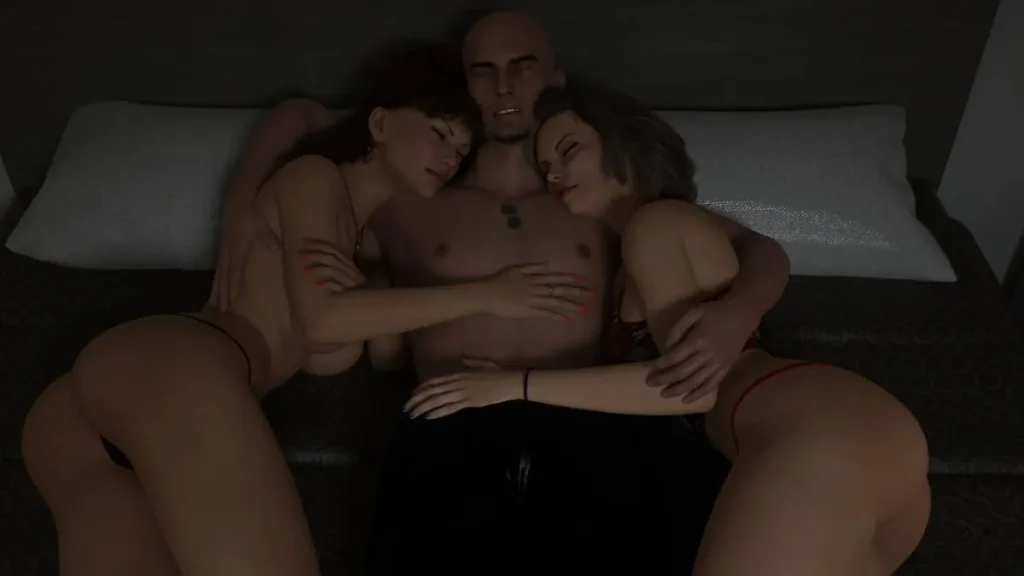



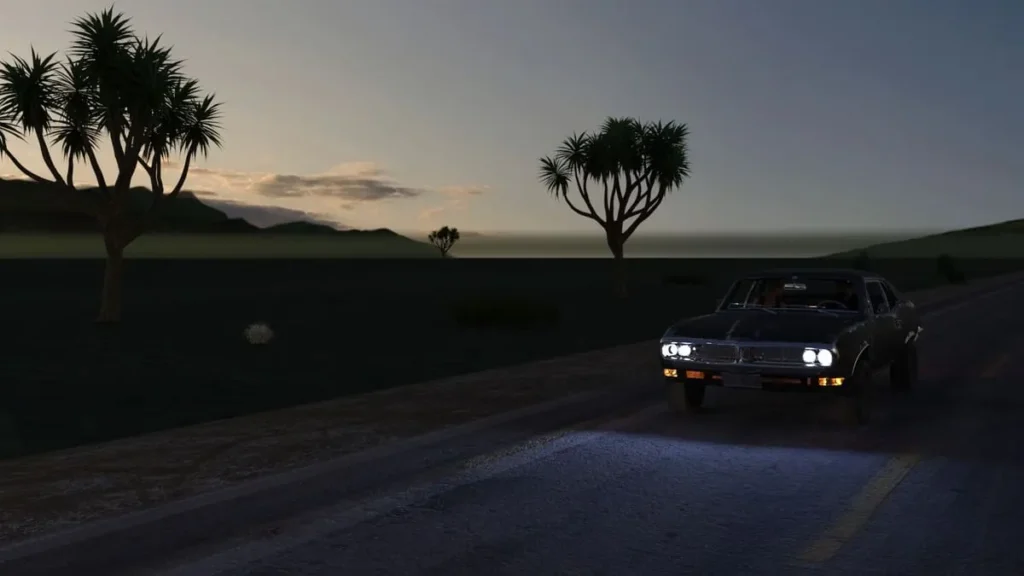



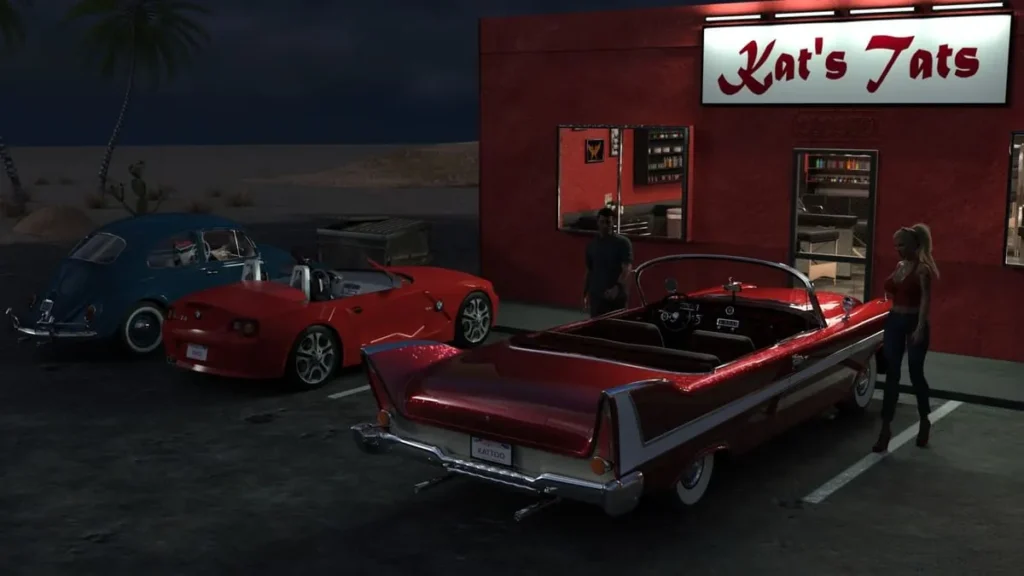






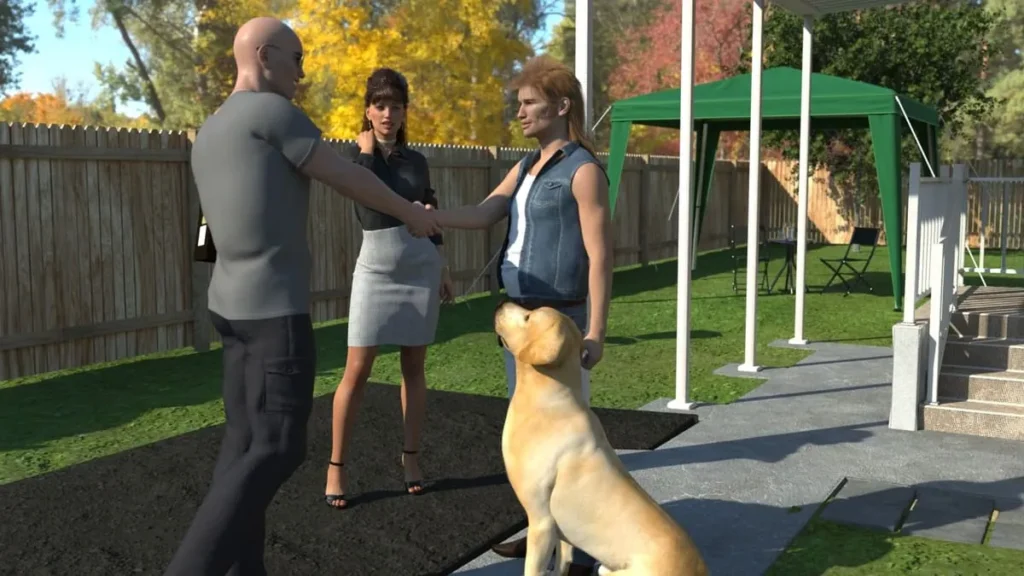









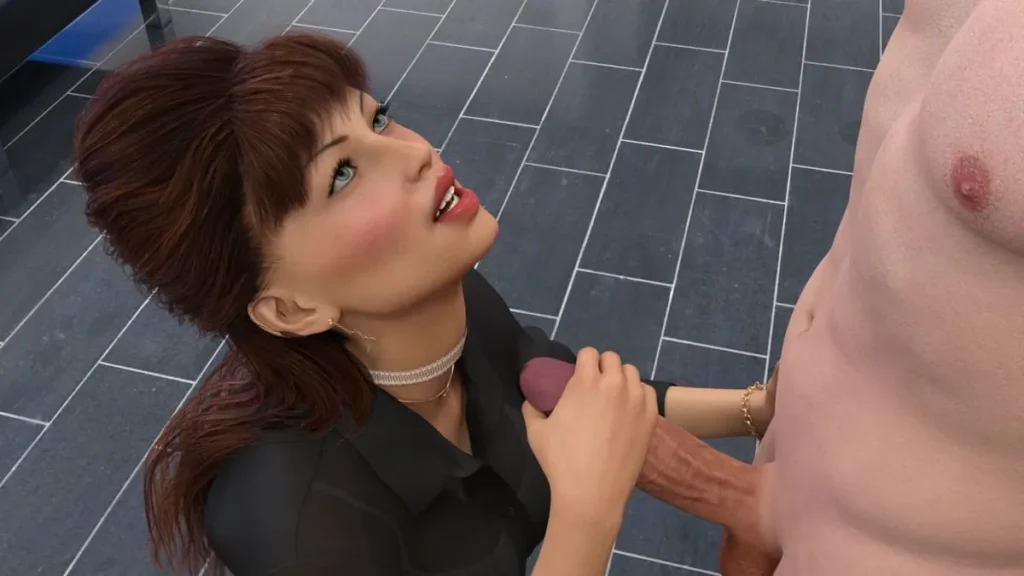
Long Road Home review
Story, choices, and strategies to get the most from Long Road Home
Long Road Home is an adult-focused visual novel that blends story-driven gameplay, branching choices, and character-driven scenes into one experience. If you’ve just discovered Long Road Home or you’re wondering whether it’s worth the time, this guide will walk you through what makes the game unique, how the relationship paths work, and how to approach your first playthrough without feeling lost. I’ll share practical tips and first-hand style insights so you can enjoy the narrative, unlock more scenes, and avoid the most common beginner mistakes.
What Is Long Road Home and Why Do Players Talk About It?
So, you’ve heard the buzz about a game called Long Road Home. Maybe a friend mentioned it, or you saw it pop up in a forum dedicated to story-rich experiences. The name itself paints a picture—a journey, a return, something fraught with both nostalgia and uncertainty. But what is Long Road Home, really? Is it just another adult game, or is there something more beneath the surface that has players talking so passionately? 🧐
Let me be honest: I clicked on it expecting one thing. A straightforward, perhaps simplistic, narrative to pass the time. What I found instead was a deeply character-driven drama that completely pulled me in. I wasn’t just watching scenes unfold; I was making choices that felt genuinely weighty, navigating relationships that were beautifully complicated. It became less about “unlocking content” and more about wanting to see how the story I was shaping would end. That’s the magic trick this Long Road Home visual novel performs, and it’s why we need to talk about it.
### Overview of Long Road Home: Setting, Style, and Themes
At its heart, Long Road Home is a contemporary story grounded in the messy, emotional reality of everyday life. Forget epic fantasy wars or sci-fi galaxies; the battlefield here is the home, the workplace, and the quiet spaces between conversations. The game focuses on a protagonist in the midst of a significant, often difficult, life adjustment. Think returning to a place you once knew, confronting past relationships, or navigating a new and complicated personal situation. The stakes aren’t about saving the world—they’re about saving (or perhaps understanding) yourself and the people around you.
The style is intimate and engrossing. You’ll spend your time immersed in detailed character art, evocative backgrounds, and, most importantly, walls of text that actually matter. This isn’t filler dialogue. The game uses a blend of direct conversation, subtle internal monologue, and descriptive narration to pull you into the protagonist’s headspace. You feel their hesitation, their desire, their regret. The tone masterfully mixes slow-burn drama with moments of warmth, tension, and undeniable intimacy.
The themes are what elevate it. This is a story about trust, temptation, consequence, and the fragile threads that connect people. Every relationship, whether rekindled or new, is a puzzle. Your choices determine if you build bridges or burn them, act with integrity or give in to impulse. The mature scenes, when they occur, are woven directly into this emotional fabric. They feel like a natural culmination of choices and connection, not isolated checkpoints. This approach makes the adult visual novel choices carry a narrative heft that is often missing in the genre.
In essence, the Long Road Home overview is this: a poignant, choice-driven exploration of human connection. Players don’t just remember the steamy moments; they remember the conversation that happened right before it, the choice that led them there, and the emotional fallout that followed.
- Why players keep coming back:
- A compelling story that feels personal and impactful.
- Complex characters who evolve based on your decisions.
- Mature scenes that serve the plot, enhancing the drama.
- High replayability to discover different relationship paths and endings.
### How Long Road Home Plays: Visual Novel Structure and Core Features
If you’re new to the format, understanding Long Road Home gameplay is simple. This is a classic visual novel at its core, which means the primary interaction is reading and making decisions. There are no quick-time events, no combat stats to manage, no platforming challenges. Your power lies entirely in your choices.
The gameplay loop is deceptively simple but incredibly engaging:
1. Read: Absorb the story through narrative text and character dialogue.
2. Decide: At key junctures, you’ll be presented with a choice. These can range from simple dialogue options (“Be supportive” vs. “Change the subject”) to major life decisions that pivot the entire story.
3. Progress: Your choice locks in a narrative branch, leading to new scenes, different character interactions, and unique relationship developments.
4. Repeat & Replay: A single playthrough will show you one path. The real depth comes from saving your game at critical forks and exploring the “what ifs.”
This structure is the engine of the Long Road Home game. It’s all about branching narratives. A seemingly innocuous choice in Chapter 2 might close off an entire romantic subplot or open up a moment of profound vulnerability much later. The game is designed for multiple playthroughs, encouraging you to see how different combinations of choices alter outcomes.
You’ll be managing multiple save files to experience the various routes. One playthrough might lead to a sweet, reconciling ending. Another, based on more selfish or avoidant choices, could end in bittersweet parting or outright dramatic disaster. This isn’t a game about finding the one “true” ending; it’s about exploring the spectrum of possible lives your character could lead.
Pro Tip: Don’t be afraid to make “bad” choices on a second or third run. Some of the most powerful and revealing character moments in Long Road Home are found on its more difficult paths.
The core features that define the experience are its save/load system, its clear relationship flags (often unseen, but felt through character reactions), and its scene gallery that fills in as you discover new story branches. The pleasure comes from the narrative cause and effect, watching a story you actively author unfold before you.
### Who Is Long Road Home Really For?
Let’s cut to the chase: who is Long Road Home for? This isn’t a game for everyone, and that’s perfectly okay. Knowing who will love it—and who might not—is the key to a satisfying experience.
This game is a perfect match for you if:
- You love getting lost in a good story. If you prioritize narrative depth, character development, and emotional payoff over fast-paced action, you’re in the right place.
- You enjoy experimenting with choices in games. The thrill of seeing a story branch based on your decision is your kind of fun.
- You appreciate mature themes and scenes that are integrated into a larger dramatic context, not just tacked on.
- You’re a fan of slow-burn dramas in any medium (books, films, TV). The patience required for build-up is rewarded with greater impact.
You might want to look elsewhere if:
- You crave action, twitch gameplay, or open-world exploration. This is a text-and-choice experience.
- You prefer light, casual gaming with minimal reading. The text is the main event here.
- You’re seeking a purely frivolous or comedic experience. While it has lighter moments, Long Road Home leans into drama and emotional complexity.
I’ll share a personal insight: I have a friend who only plays competitive shooters. I described Long Road Home to him, and he looked utterly bewildered. “You just… read? And click?” For him, that’s not gaming. For me, and for many others, it’s an immersive form of storytelling where we hold the pen. That’s the distinction.
This adult visual novel is for the reader, the empath, the curious thinker who wonders “what would happen if I said this instead?” It’s for players who want to feel responsible for the narrative outcome, for better or worse. It offers a very specific, deeply engaging kind of interactive escape.
Quick FAQ: Your Long Road Home Questions, Answered
Is Long Road Home story-focused?
Absolutely, 100%. The story is the entire point. The mature content exists within and because of the narrative, not the other way around. If you don’t enjoy reading and engaging with character-driven plots, the core appeal will be lost.
Do choices matter in Long Road Home?
Yes, in a significant way. This isn’t an illusion of choice. Decisions affect dialogue, character relationships, which scenes you access, and which of the multiple endings you will receive. Your playthrough is uniquely shaped by your choices.
How long is the game?
A single, straightforward playthrough might take several hours. However, to see all the major story branches, character routes, and endings, you’re looking at a commitment that can easily double or triple that time. The replay value is very high.
Is it just about romance?
While romantic and intimate relationships are a major component, the game also deeply explores themes of friendship, family, personal regret, and self-discovery. The “road home” is as much about reconciling with your past and yourself as it is about connecting with others.
So, is Long Road Home the game you’ve been looking for? If a thoughtful, choice-heavy, and emotionally resonant narrative sounds like your ideal way to unwind, then your journey is just beginning. 🛣️
Long Road Home is at its best when you approach it as a story you want to live through, not just race through. By understanding how the choices work, taking your time with the dialogue, and not being afraid to replay key moments, you can discover far more scenes and character reactions than you’ll see on a single run. If the idea of a narrative-heavy, adult-oriented visual novel appeals to you, Long Road Home is worth exploring, one careful decision at a time. Dive in, experiment with different paths, and see which route feels like your own long road home.