
Grandma’s House
Play Grandma’s House
Grandma’s House Screenshots







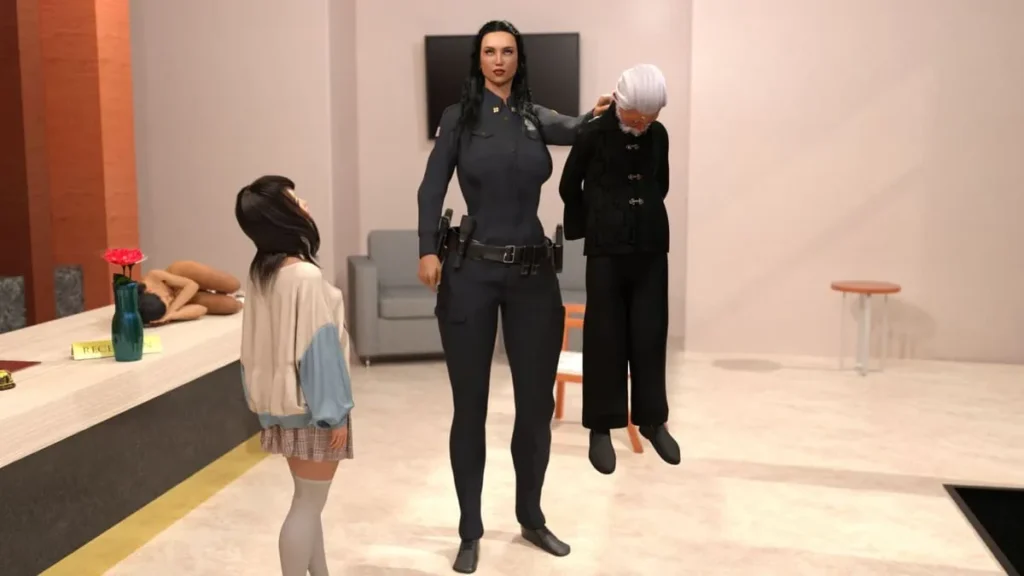










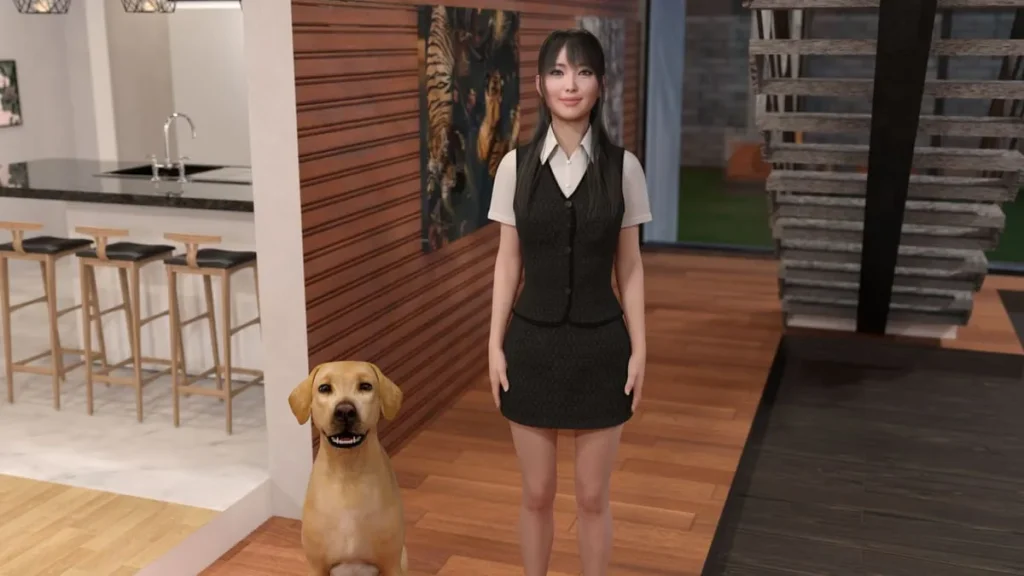



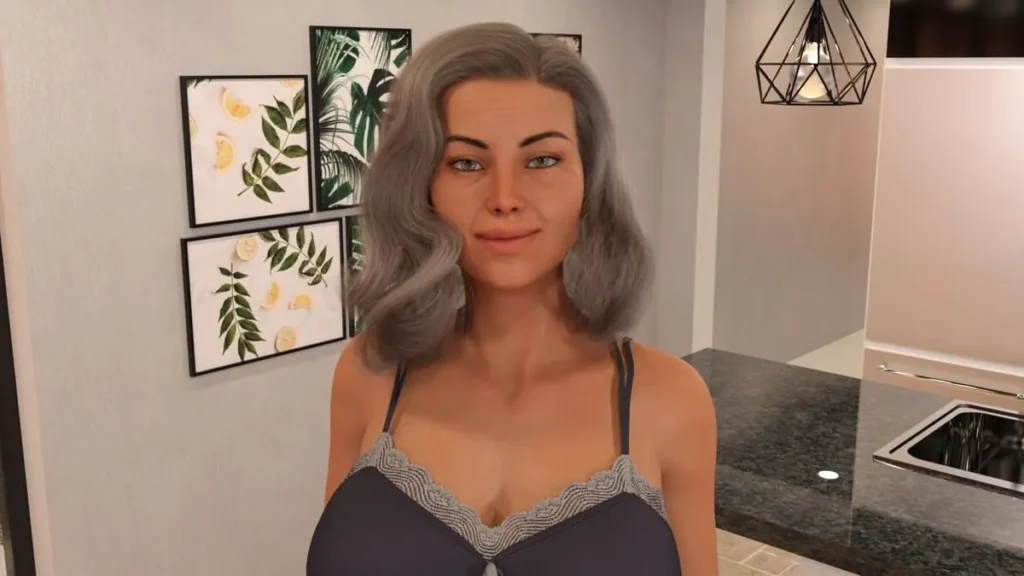



Grandma’s House review
Master every quest, character relationship, and gameplay mechanic in this adult visual novel
Grandma’s House stands out as a narrative-driven adult visual novel that prioritizes character development and meaningful relationships over rushed content. Unlike many games in its genre, this title emphasizes patience and authentic character progression, allowing players to build genuine connections with diverse characters through thoughtful decision-making. Whether you’re new to the game or looking to optimize your playthrough, understanding the mechanics, quest structure, and relationship systems is essential for unlocking all content and experiencing the full story. This comprehensive guide covers everything you need to know about gameplay, character interactions, and progression strategies.
Understanding Grandma’s House Gameplay Mechanics & Core Systems
Ever feel like you’re just clicking through a visual novel, hoping something happens, only to hit a wall of silence or a character who suddenly wants nothing to do with you? 😫 I’ve been there. When I first started playing Grandma’s House, I treated it like a checklist. Big mistake. I rushed my interactions with Polly, thinking I was being charming, only to have her shut down a major story branch later. It was a brutal lesson in patience. This game isn’t about speed-running to content; it’s about nurturing a living, breathing social ecosystem. Let’s break down how it all works so you can avoid my mistakes and truly master every interaction.
Understanding the core Grandma’s House game mechanics is the difference between a fulfilling, story-rich experience and a frustrating series of dead ends. At its heart, this is a game about influence, trust, and the delicate art of relationship building.
How the Relationship & Trust System Works
Think of every character in Grandma’s House as having an invisible emotional bank account. Every positive interaction is a deposit. Every respectful choice, a dividend. The relationship and trust system is this bank’s ledger, and it’s the most crucial gameplay element you need to master. 🏦
You can’t just walk in and demand intimacy or deep secrets. Characters, especially ones like Polly and Allie, have defenses and personal histories. Pushing too hard, too fast doesn’t just fail—it actively damages your standing. I learned this the hard way with Polly. Choosing overly forward dialogue options might give you a short-term gain, but it plants a seed of resistance. Later, when a pivotal quest requires her full trust, she’ll remember your pushiness and refuse to cooperate. The game has a long memory.
So, how do you build this vital resource?
* Listen and Observe: Pay attention to their dialogue. Are they sharing a vulnerability? Acknowledge it gently. Are they making a joke? Play along. This shows you’re engaged with them, not just an objective.
* Respect Boundaries: If a character changes the subject or gives a vague answer, don’t immediately circle back with the same question. File it away and try a different approach later.
* Consistency is Key: Small, positive interactions spread over multiple in-game days are far more powerful than one intense, perfect conversation. Check in via the phone’s SMS system, offer help with small tasks, and be a consistent, positive presence in their world.
This system directly ties into how to unlock character content. The more trust you build, the more personal stories they share, the more quests become available, and the deeper your connection grows. It’s a rewarding slow burn.
To help you strategize, here’s a breakdown of the main characters and what to expect from their unique personalities and progression styles:
| Character | Personality Type | Progression Speed | Key Trust Milestones |
|---|---|---|---|
| Polly, Allie | Guarded, Requires Patience | Slow & Steady | Sharing a personal secret, accepting a significant gift, initiating a private meeting |
| Veena, Sandra | Confident, Direct | Moderate to Fast | Agreeing to a shared activity, revealing a preferred costume, advancing submission level |
| Karen, Lisa | Friendly, Approachable | Moderate | Completing a multi-stage favor, unlocking a specific location interaction |
Quest Structure and Progression Mechanics
Quests in Grandma’s House are the engine of the story, but they don’t work like traditional fetch quests. You won’t have a journal full of exclamation points. Instead, the quest completion walkthrough happens organically through conversation and exploration. 🗺️
A quest might be triggered by:
* Overhearing a conversation in the kitchen or living room.
* A character mentioning a problem during your chat with them.
* Finding a specific item in your inventory or in the world that prompts a discussion.
* Reaching a certain trust level with a character, which unlocks their next story beat.
For example, Sandra might casually mention she’s lost a favorite necklace. This won’t appear as a formal quest log entry. It’s now on you to remember this, keep an eye out for a shiny object in your room or the garden, and bring it to her later. Your reward isn’t just points; it’s a significant boost in trust and the next chapter of her storyline.
The quest structure and progression mechanics are designed to mirror real social dynamics. Help people, remember the details of their lives, and they open up to you. The phone is your best friend here. Use the SMS system to follow up on these hints. Sending a simple “Hey, I was thinking about what you said earlier…” can sometimes be the trigger to advance a questline.
My top Grandma’s House gameplay tips for quests?
Always have a notebook (real or digital) handy. Jot down names, problems, and item requests. The game won’t hold your hand, so your attention to detail is your greatest asset. 🗒️
Also, be mindful of time. Some quests or interactions are only available during specific times of the in-game day. Miss your window, and you might have to wait for another cycle.
Character Development and Personality Traits
This is where Grandma’s House truly shines. Each character isn’t just a set of scenes to unlock; they have evolving personalities, preferences, and states of mind. Your character progression guide starts with understanding these traits. 🎭
Let’s talk about the submission levels explained. This isn’t a simple “good/bad” meter. For characters where it’s relevant, it represents a spectrum of comfort, confidence, and willingness within your dynamic. Raising a character’s submission level isn’t about domination; it’s about building mutual understanding and pushing boundaries with consent. It’s unlocked gradually through trusted interactions and specific, respectful choices. Higher levels can unlock new dialogue options, costume preferences (a huge part of personalizing your interactions), and more intimate scenes.
But remember from our table: characters progress at different speeds! Veena might respond quickly to confident choices, while with Allie, any attempt to directly influence this dynamic too early will backfire spectacularly. You must tailor your approach.
Here’s a practical piece of advice for managing multiple character relationships: Rotate your focus. The game’s timeline allows it. Don’t spend three consecutive days only talking to Karen. Spend a morning with Sandra, an afternoon helping Lisa, and send a thoughtful text to Polly in the evening. This prevents any one relationship from becoming stale and avoids triggering jealousy or neglect flags that can subtly block content. It also feels more natural, like you’re actually living in the house.
Finally, your character progression guide must include the gallery. Every image in the gallery is tied to a specific milestone: a quest completed, a trust threshold reached, a submission level achieved, or a perfect choice made during a key interaction. It’s not random. If you’re missing a scene, look at the gallery entry before or after it—that’s your clue about which character or storyline you need to revisit and nurture.
Grandma’s House Gameplay Tips & FAQ
Let’s wrap up with some actionable Grandma’s House gameplay tips and answer those nagging questions.
Essential Tips for Success:
* Save Often, and in Multiple Slots: Before any significant conversation or choice. This allows you to explore different branches without losing weeks of progress.
* The “Wait” Action is Powerful: If you feel stuck, end your day early. Progressing time can reset character availability and trigger new events.
* Inventory is Key: Check it regularly. Quest items won’t always glow. A simple “mystery key” or “old photo” could be the ticket to advancing a story.
* Embrace Rejection: A “no” or a changed subject isn’t failure. It’s information. It tells you what that character isn’t ready for, which is just as valuable as knowing what they want.
Frequently Asked Questions
Q: I think I’m blocked on a quest. A character just repeats the same line. What did I do wrong?
A: This usually means you’ve missed a prerequisite. Go talk to other characters. Often, progressing Lisa’s story requires information from Karen, or unlocking Sandra’s next step requires an item from Polly. The game is deeply interconnected. Also, check if you need to raise your trust with that character by simply spending more low-stakes time with them.
Q: How do I avoid character conflicts? Can I romance everyone?
A: You can pursue multiple relationships, but be subtle. Bragging to one character about your intimacy with another is a surefire way to cause drama and lock you out of content. The game encourages focused, genuine connections. While you can interact with everyone, expecting every relationship to reach maximum depth in one playthrough might be unrealistic.
Q: I missed a specific scene/image in the gallery. Do I have to start the whole game over?
A: Not necessarily! Thanks to your multiple saves (you made them, right?), you can often load back to a point before the critical choice. If it’s tied to a long-term trust issue, you might need a new playthrough, which is part of the fun. Each playthrough can focus on different characters and choices, revealing new story layers.
Mastering Grandma’s House game mechanics is a journey of patience and perception. It rewards you for being thoughtful, observant, and genuinely engaged with its world. Ditch the checklist mentality, invest in the relationship and trust system, and let your character progression guide be one of quality over speed. The house is full of stories waiting to be discovered—you just need to know how to listen.
Grandma’s House rewards players who embrace patience and meaningful character development over rushed progression. The game’s strength lies in its commitment to authentic relationship building, where characters like Polly and Allie develop naturally over time rather than through forced interactions. By understanding the relationship systems, quest mechanics, and character personality types, you can craft a playthrough that respects each character’s journey while unlocking all available content. The key to success is balancing multiple relationships, respecting character boundaries, and allowing storylines to unfold at their natural pace. Whether you’re pursuing slow-burn relationships or faster-progressing characters, this guide provides the foundation for a satisfying and complete gaming experience.