Foster Home for Fantasy Girls
Play Foster Home for Fantasy Girls
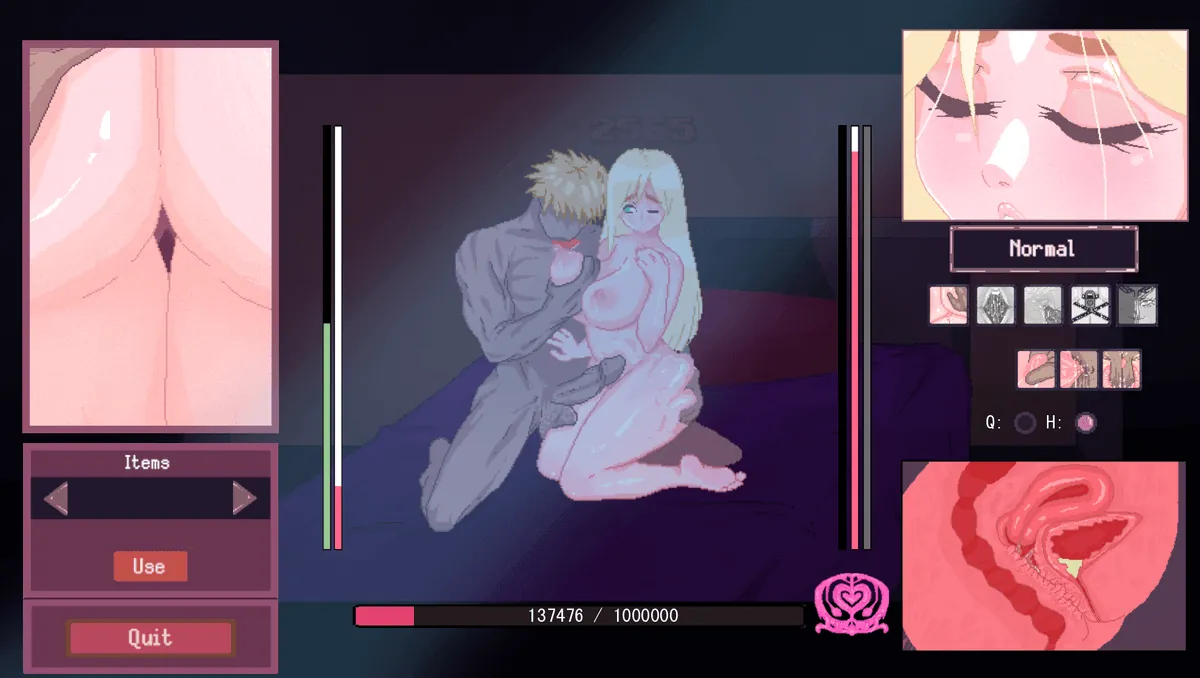
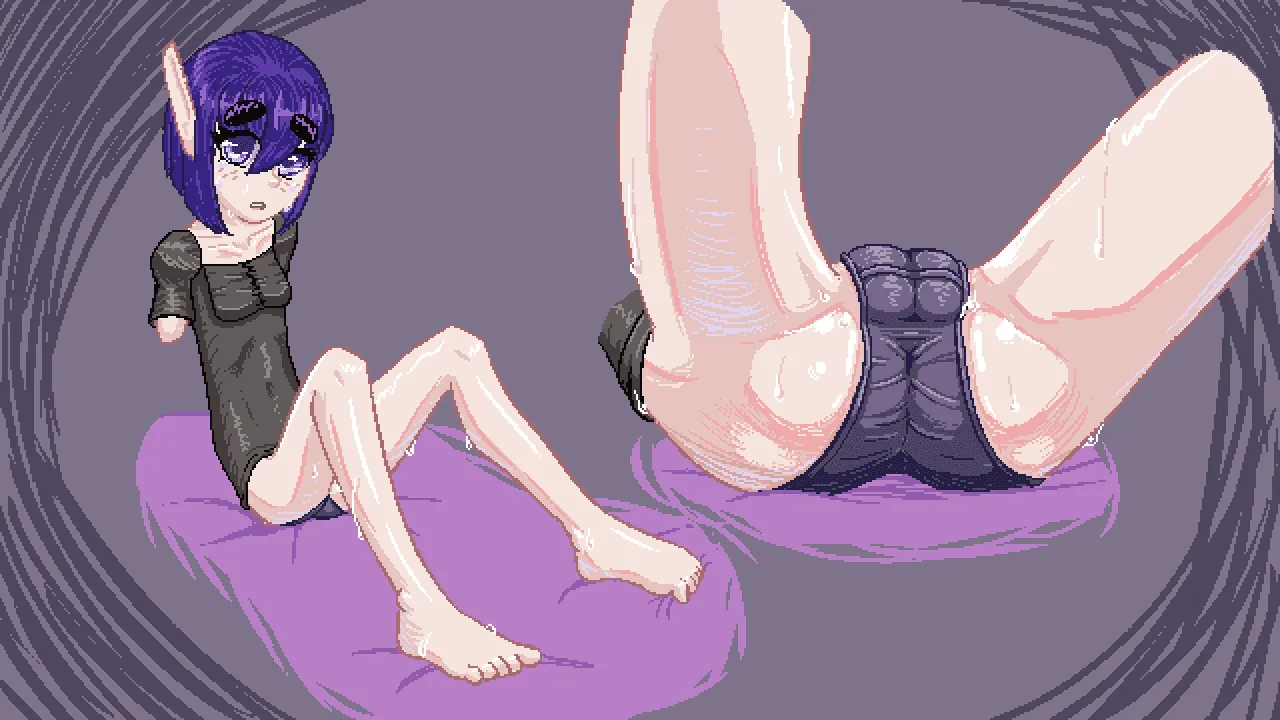
Foster Home for Fantasy Girls Screenshots





Foster Home for Fantasy Girls review
Dive into the captivating world of this adult visual novel adventure
Hey there, fellow gamers! If you’ve stumbled upon Foster Home for Fantasy Girls, you’re in for a wild ride through a fantasy realm packed with seductive characters and steamy choices. This adult visual novel lets you step into the role of a foster parent managing a home full of enchanting fantasy girls, blending strategy, romance, and explicit encounters. I remember my first playthrough—hours vanished as I uncovered hidden routes and built relationships that felt surprisingly immersive. Whether you’re here for the thrilling narrative or the rewarding progression, this guide unpacks everything to maximize your experience. Let’s jump in and explore what makes this game a standout in the genre.
What Makes Foster Home for Fantasy Girls So Addictive?
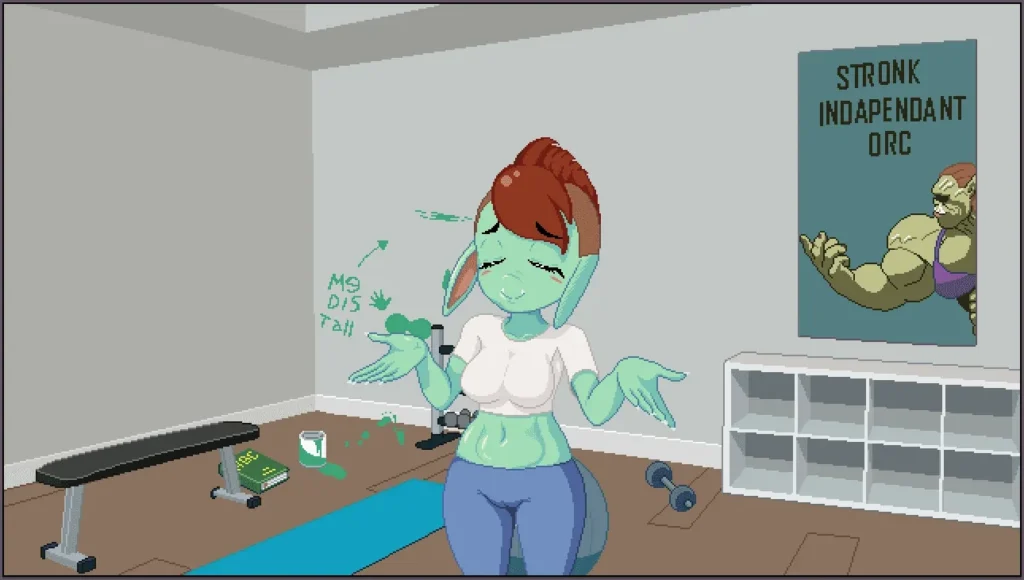
It all started on a lazy Sunday afternoon, scrolling through itch.io. 🕵️♂️ I’d seen the quirky title—Foster Home for Fantasy Girls—pop up a few times, and curiosity finally got the better of me. “Why not?” I thought. Three hours later, I was still glued to the screen, completely ensnared by a perfect storm of strategy, heartwarming (and heart-racing) stories, and the irresistible urge to see what happened next with my unusual new charges. I wasn’t just playing a game; I was running a sanctuary for elves, succubi, and otherworldly beings, and I was hooked from that first session.
So, what’s the secret sauce? What transforms this fantasy girls visual novel from a simple pastime into a “just one more day” obsession? Let’s dive into the mechanics and magic that make this game so incredibly addictive.
How Does the Core Gameplay Loop Work?
At its heart, understanding how to play Foster Home for Fantasy Girls is about mastering a deceptively deep cycle of care, connection, and choice. You play as the new caretaker of a mysterious home for fantastical refugees. Your job is part landlord, part therapist, and part potential love interest.
The core loop is beautifully simple yet endlessly engaging:
1. Manage Your Home: Each in-game day, you have a set amount of action points. You’ll spend these on essential tasks like cooking meals, cleaning (which boosts everyone’s mood), and managing your ever-important resources: cash and food.
2. Bond with Your Residents: This is where the Foster Home for Fantasy Girls gameplay truly shines. You use your remaining time to talk to the girls, give gifts, or choose special activities. Every interaction builds their Affection and Trust stats, unlocking new dialogue, personal backstory scenes, and romantic possibilities. 🏡💖
3. Grind for Resources: Running a home isn’t free! You’ll need to earn money to buy food and gifts. You can send girls on odd jobs (if their relevant skills are high enough) or play a clever computer mini-game that’s a surprisingly fun distraction.
4. Make Story-Altering Choices: Conversations and events frequently present you with decisions. These choices directly influence which game routes and endings you unlock. Will you help the shy elf overcome her past trauma? What will you say when the fierce demoness challenges your authority? Every choice matters.
This loop creates a captivating rhythm. You’re constantly juggling immediate needs (we need more money for food!) with long-term goals (I really want to see the next story event with Trixie). The blend of strategic resource management and intimate storytelling is pure gold.
To visualize the evolution of your playstyle, here’s a look at how your approach changes as you master the systems:
| Focus Area | Beginner Playstyle | Advanced Playstyle |
|---|---|---|
| Resource Generation | Relies on basic daily tasks and sending girls on simple, low-reward jobs. | Masters the computer mini-game for efficient cash, and strategically assigns girls to high-paying jobs based on their maxed skills. |
| Time & Action Management | Spends action points evenly, often running out before key interactions. | Plans days around specific goals (e.g., “Today is for grinding Affection with Lyra”), and prioritizes high-impact actions. |
| Story Progression | Follows events as they trigger naturally, making choices based on immediate feelings. | Uses guides or prior knowledge to trigger hidden events and carefully steers choices toward a desired game route and ending. |
| Save Strategy | Relies on a single save file or occasional saves. | Maintains multiple backup saves before any major story branch or decision, creating a “save tree.” |
Why Do Players Keep Coming Back for More?
Beyond the satisfying daily loop, the true addiction comes from the game’s immense depth and player agency. This isn’t a linear story; it’s a web of possibilities.
First, there’s the powerful drive of replayability. With numerous fantasy girls visual novel paths to explore, you’re compelled to start a new game to see “what if?” What if I focused on the succubus instead of the angel? What if I made that cruel choice instead of the kind one? Each playthrough can feel uniquely personal, offering fresh scenes and conclusions. Discovering all the game routes and endings is a challenge that can consume dozens of hours. 😈👼
Then, there’s the thrill of discovery and optimization. Sharing grinding tips Foster Home style becomes a mini-game in itself. The community buzzes with advice: “Did you know you can earn max cash in the computer game by doing X?” or “If you boost Trixie’s affection before day 10, you unlock a special scene.” This meta-layer of strategy makes progression feel incredibly rewarding.
Speaking of Trixie, let’s talk about recruitment. Figuring out the best characters to recruit first is a classic strategic dilemma. My personal insight? Prioritize Trixie. Her route is intricately woven into the core mystery of the home and often gates access to more advanced story content and endings. Recruiting her early opens up narrative possibilities that a blind first playthrough might miss.
Finally, the game is alive. The Foster Home updates Octopus Part series is a perfect example of why the game stays relevant. These substantial updates don’t just fix bugs; they add new characters, events, and entire story arcs. Just when you think you’ve seen it all, a new update drops, pulling you back into the foster home with the promise of fresh secrets and new relationships to explore. The Foster Home updates Octopus Part content has been a major reason the community remains so active and invested.
Is It Worth Your Time in 2026?
Absolutely, and here’s why. A great game isn’t defined by its release year, but by the strength of its design and its support. The core Foster Home for Fantasy Girls gameplay—the compelling mix of management, relationship-building, and choice-driven narrative—is timeless. The visual novel and life-sim genres are evergreen, and this title executes on that hybrid formula masterfully.
Furthermore, the active development, highlighted by ongoing updates, means the game in 2026 is likely more feature-rich, polished, and expansive than ever. The library of fantasy girls visual novel content within it will have grown, offering even more value. The question isn’t just “is it worth playing?” but “can you afford to miss out on such a richly developed world?”
The addiction ultimately stems from a perfect blend: the strategic satisfaction of building a successful home, the emotional payoff of deepening fictional relationships, and the tantalizing mystery of unseen narrative branches. It’s a game that respects your time with meaningful choices and rewards your investment with memorable stories.
Pro Tip: The single most important piece of advice for how to play Foster Home for Fantasy Girls is to always create a named backup save at the start of each in-game week and before any story event that feels major. This simple habit saves countless hours of regret and lets you explore branches fearlessly.
To wrap up your journey into this addictive world, here are my top 5 pro tips for efficient and rewarding progression:
- Save Like a Archivist: Never rely on a single save file. Keep a rolling set of backups. This is your key to freely exploring game routes and endings without paranoia.
- Prioritize Key Recruits: While all characters are charming, focusing on recruiting specific girls like Trixie early can unlock more of the game’s core narrative and is widely considered one of the best characters to recruit first for story depth.
- Master the Mini-Game: Efficient grinding tips Foster Home players know the computer mini-game is your fastest path to wealth. Spend time learning its patterns to minimize time spent on resource generation.
- Balance Your Days: Don’t just socialize. A good day includes at least one money-making action and one home-care action (like cleaning) to keep stats healthy and prevent negative events.
- Engage with the Community: Check the game’s itch.io page or forums for patch notes. Staying informed about Foster Home updates Octopus Part and other changes can alert you to new content or optimal strategies you might otherwise miss.
There you have it—Foster Home for Fantasy Girls delivers an intoxicating blend of fantasy management, deep character bonds, and steamy adventures that keep you hooked session after session. From mastering the gameplay loop to unlocking those elusive routes, you’ve got the tools to dive deep and enjoy every moment. My own journey through multiple playthroughs showed me just how rewarding patience and smart choices can be. Ready to build your dream foster home? Grab the latest version, start recruiting, and let the fantasy unfold. Share your favorite routes in the comments—what’s your go-to strategy?