Deviant Anomalies
Play Deviant Anomalies
Deviant Anomalies Screenshots






















Deviant Anomalies review
Uncover Mysteries, Quests, and Secrets in This Thrilling Adult Adventure
Imagine stepping into a snow-swept city where a freak storm unleashes supernatural chaos, turning your life as a rookie detective upside down. That’s the gripping hook of Deviant Anomalies, the adult game that’s got players hooked on its blend of mystery-solving, intricate quests, and steamy character interactions. With your criminal psychology background, you’ll dive into baffling cases, build relationships with complex characters like Sophia, Chanel, and Beatrice, and make choices that shape the story. I’ve spent countless hours unraveling its secrets—let me share how to master Deviant Anomalies, from recruitment quests to hidden scenes, so you can immerse yourself fully in this enigmatic world.
What Makes Deviant Anomalies an Addictive Adventure?
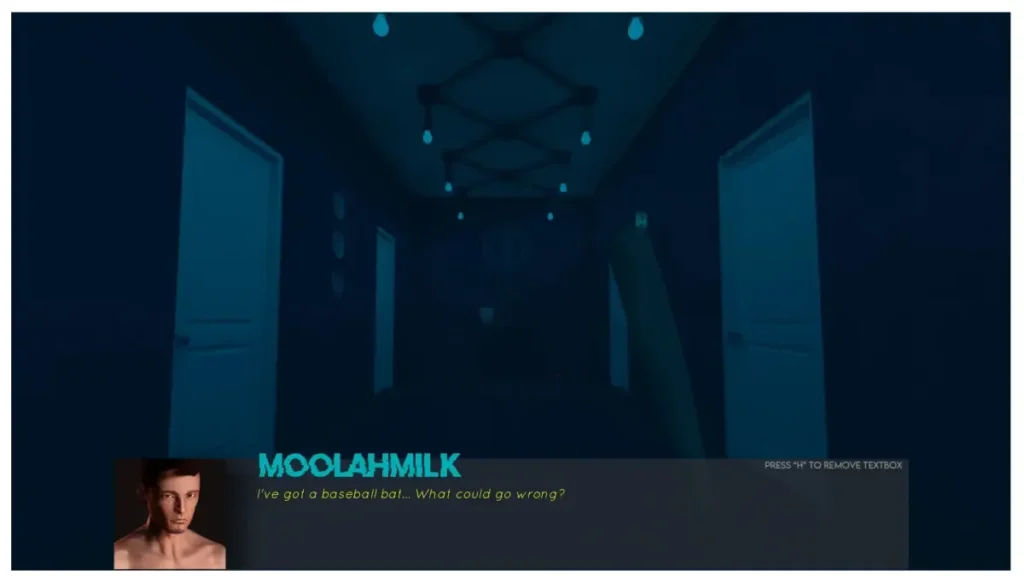
I still remember the night I first booted up Deviant Anomalies. It was late, the rain was tapping against my window, and I was looking for something to sink my teeth into. What I found wasn’t just a game; it was an obsession waiting to happen. From the very first frame, the atmosphere gripped me—a howling wind, a flickering streetlamp, and a snowstorm mystery that didn’t just blanket the city in white, but in sheer, unnerving dread. That opening sequence is masterclass in setting a mood, and it’s the perfect gateway into understanding what is Deviant Anomalies at its core.
This isn’t your standard detective story. The Deviant Anomalies game throws you into the worn-out shoes of a rookie investigator, but with a brilliant twist: your specialization is criminal psychology. You’re not just looking for fingerprints; you’re profiling motives, reading emotional tells, and navigating a world where the line between brutal crime and outright supernatural anomalies is terrifyingly thin. That first case, born from the chaos of the storm, had me hooked. I wasn’t just solving a puzzle; I was unraveling a living, breathing world of secrets.
How the Snowstorm Sets the Stage for Chaos
That initial snowstorm mystery Deviant Anomalies uses isn’t just for show—it’s a narrative cage. 🌀 The storm cuts off the city, isolates its districts, and creates a pressure cooker of fear and suspicion. Normal rules break down. People are trapped with their secrets, and as the rookie on call, every strange report that filters through the static of your radio feels exponentially more urgent.
I learned quickly that the weather here is almost a character itself. The blizzard limits your movement, forcing you to prioritize which leads to follow through the drifts. It obscures evidence, hides pursuers, and amplifies every creepy sound. One of my most memorable early moments was tracking a seemingly mundane missing person’s report, only for the howling wind to suddenly carry a distorted melody that led me to a hidden, frost-encrusted altar. The Deviant Anomalies story explained itself in that moment: this is a world where reality is fragile, and the storm seems to be tearing holes in it. It’s the perfect backdrop for the supernatural anomalies game mechanics to truly shine, making every shadow and snowfall a potential clue or threat.
Core Gameplay: Solving Cases as a Rookie Detective
So, how do you navigate this beautiful mess? The heart of any good Deviant Anomalies walkthrough starts with embracing your role. You are a rookie detective, which means you have to work smarter. You won’t have all the answers, and your authority is often questioned. This is where your psychology skills become your greatest weapon. The game brilliantly turns every interaction into a potential source of insight.
The core loop is deeply satisfying. You’ll visit crime scenes, talk to a roster of colorful (and often shady) characters, and piece together timelines. But the magic is in the details. Here’s a breakdown of the key investigative mechanics you’ll be using constantly:
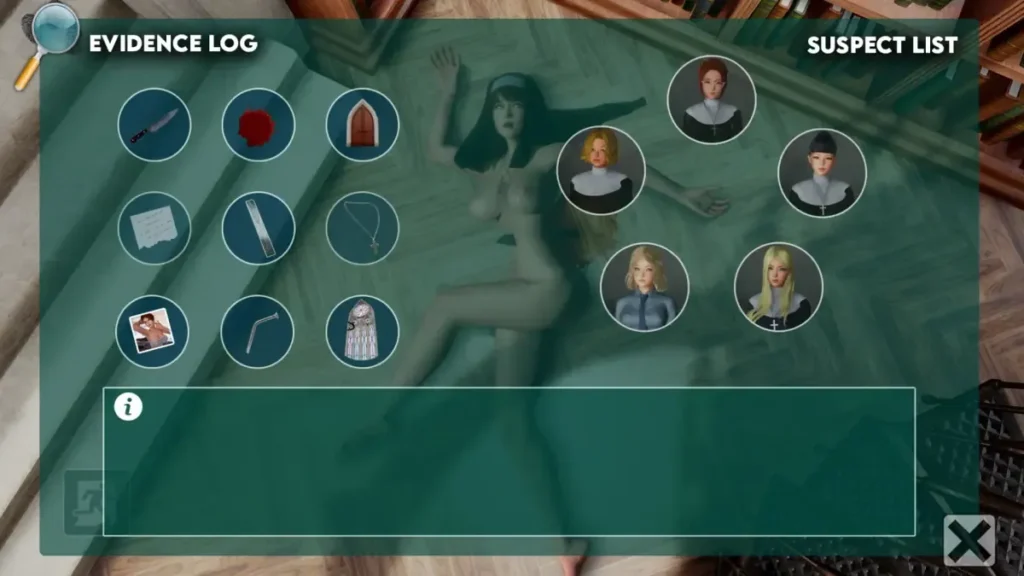
- Evidence Collection: 👁️🗨️ This goes beyond finding objects. You’ll use a mental “focus” mode to highlight emotional residues on items—a trace of fear on a discarded knife, a flicker of obsession on a photograph. This mechanic changed how I approached every case. I stopped looking just for what was left behind, and started asking why it felt the way it did.
- Interrogations: 💬 This is where your traits and previous choices matter most. You can choose to be empathetic, intimidating, or analytical. Reading a suspect’s body language and choosing dialogue options that poke at their specific psychological profile is crucial. Pushing too hard can shut them down, while being too soft might let a crucial lie slide.
- Puzzle-Solving: 🧩 The supernatural anomalies often manifest as environmental or logic puzzles. You might need to align spectral symbols based on lore found in old books, or reconstruct a broken memory sequence from witness accounts. These never feel tacked on; they’re woven directly into the mystery.
The progression of rookie detective quests is expertly paced. Early cases teach you the ropes, but soon you’re juggling multiple leads, each one subtly hinting at a larger, city-wide conspiracy lurking beneath the snow. Your decisions on which cases to prioritize can alter available clues and even change who you meet.
To give you a head start, here’s a quick guide on picking your initial character traits—a choice that profoundly shapes your Deviant Anomalies experience:
| Trait | Best For Players Who… | Gameplay Impact |
|---|---|---|
| Empathetic Insight | Want to build alliances and uncover deep personal motives. | Unlocks special, compassionate dialogue options. Characters are more likely to share secrets with you voluntarily. |
| Analytical Deduction | Love connecting clues and solving complex environmental puzzles. | Highlights extra logical connections in evidence. Reduces the difficulty of certain investigative minigames. |
| Intimidating Presence | Prefer a direct, forceful approach to get quick answers. | Can scare certain suspects into confessing faster. Opens up threats and bluffs not available otherwise. |
Why Character Depth Keeps You Coming Back
If the cases are the skeleton of the game, the characters are its beating heart. 🫀 The Deviant Anomalies game populates its world with individuals who feel genuinely lived-in. Your partner isn’t just a tutorial voice; they have a history with the department, biases, and a personal life that bleeds into your work. Informants have their own agendas, and victims might not be as innocent as they seem.
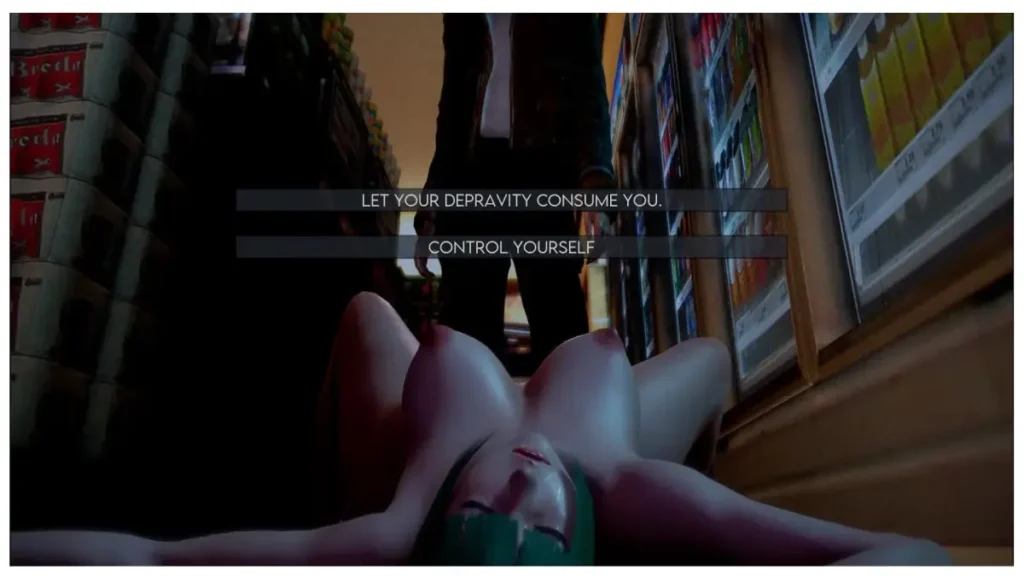
This depth fuels the game’s incredible replayability. Every major interaction is a moral choice that ripples outward. I once chose to cover for a contact’s minor crime to gain their vital trust. Several cases later, that same contact returned the favor by warning me of an ambush, unlocking a whole alternate path and, admittedly, some unexpectedly spicy narrative content I never saw coming! These choices alter character relationships, open or close entire story branches, and lead to multiple endings.
One of the lead writers famously said, “We didn’t want ‘good’ or ‘evil’ choices. We wanted human choices—the messy, selfish, compassionate, and complicated decisions that truly define who someone is in a crisis.”
This philosophy is everywhere. Getting to know characters isn’t just a side activity; it’s often the key to solving the main mystery. By helping them with their personal rookie detective quests, you gain unique insights, special items, and access to hidden scenes that add rich layers to the Deviant Anomalies story explained. You’re not just solving cases for the city; you’re solving them with the city’s inhabitants, for better or worse.
So, if you’re ready to step into the blizzard, keep your wits sharp, your psyche sharper, and remember: in Deviant Anomalies, the biggest mystery you’ll need to solve might just be the true nature of the people—and things—you choose to trust. The storm is rising, detective, and a new case file just landed on your desk.
Diving into Deviant Anomalies transformed my gaming nights into epic sagas of mystery, choices, and captivating encounters. From the chilling snowstorm opener to recruiting icons like Beatrice and unraveling Sophia’s secrets, every quest builds a world you’ll hate to leave. My top takeaway? Exhaust those options and embrace the moral twists—they lead to the juiciest rewards. Ready to detect some anomalies yourself? Fire up the game, grab that walkthrough mindset, and let the adventure pull you in. What’s your first quest going to be? Share in the comments—I’d love to swap tips!